MEPs and industry on the role of LPG
17 April 2026
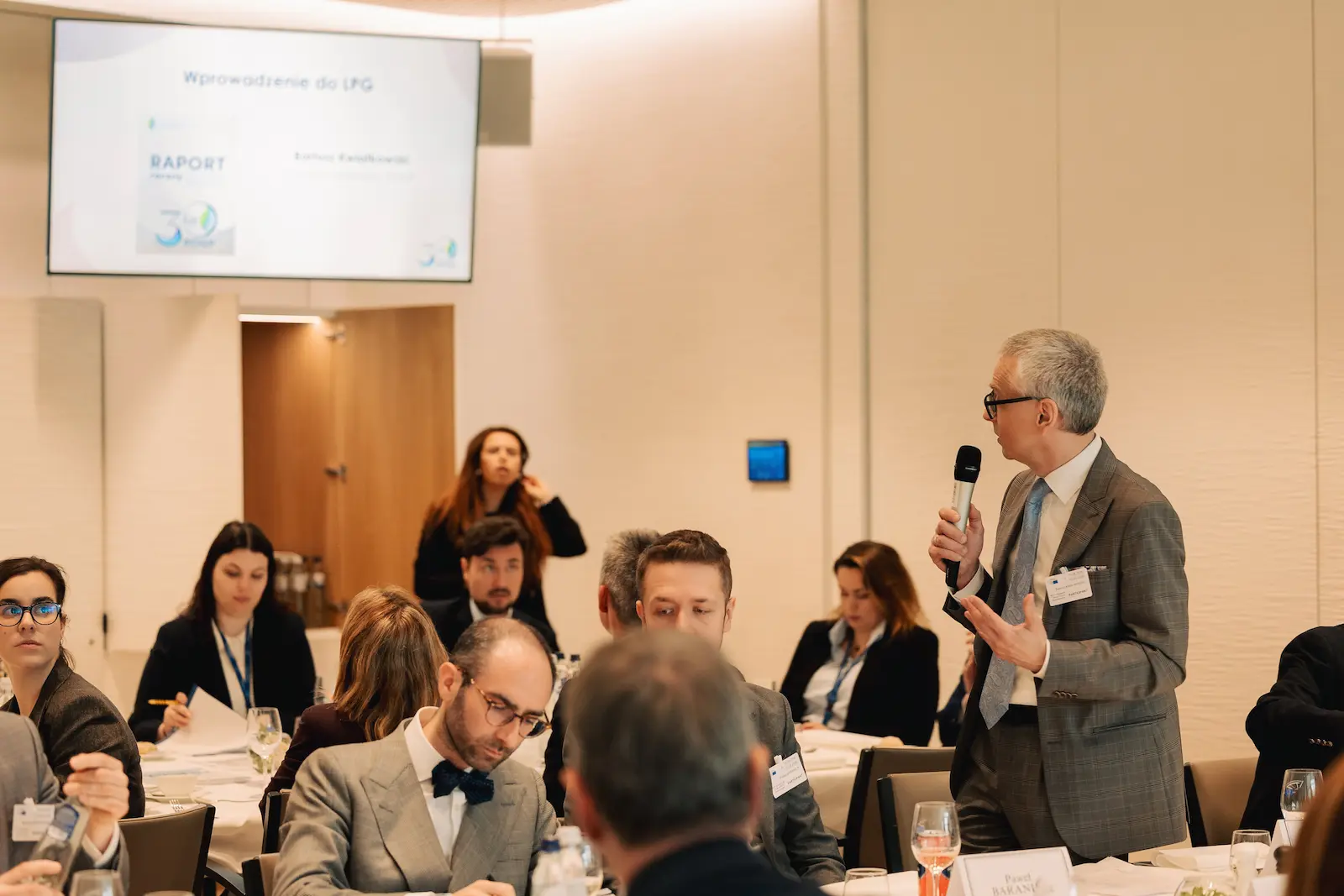
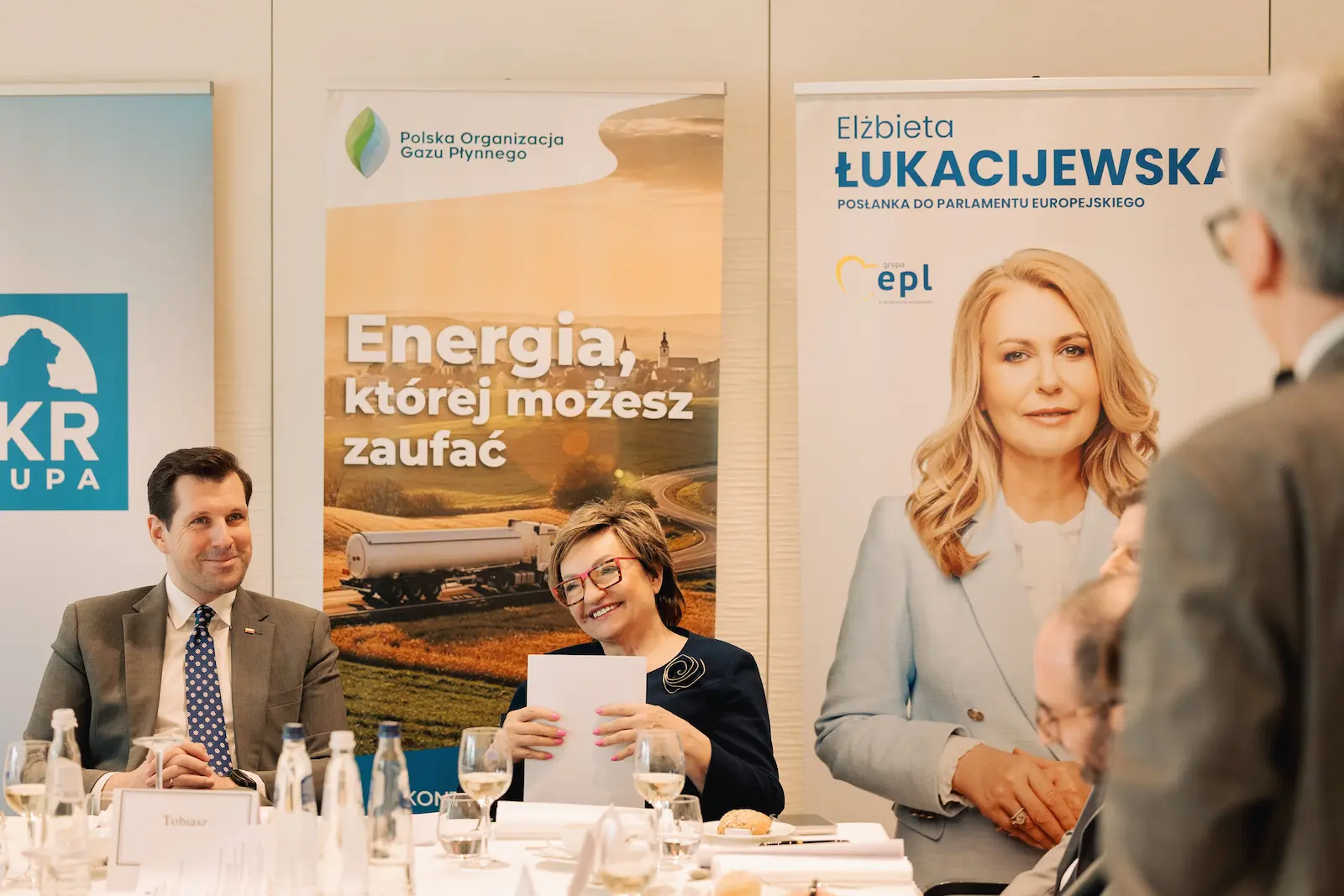
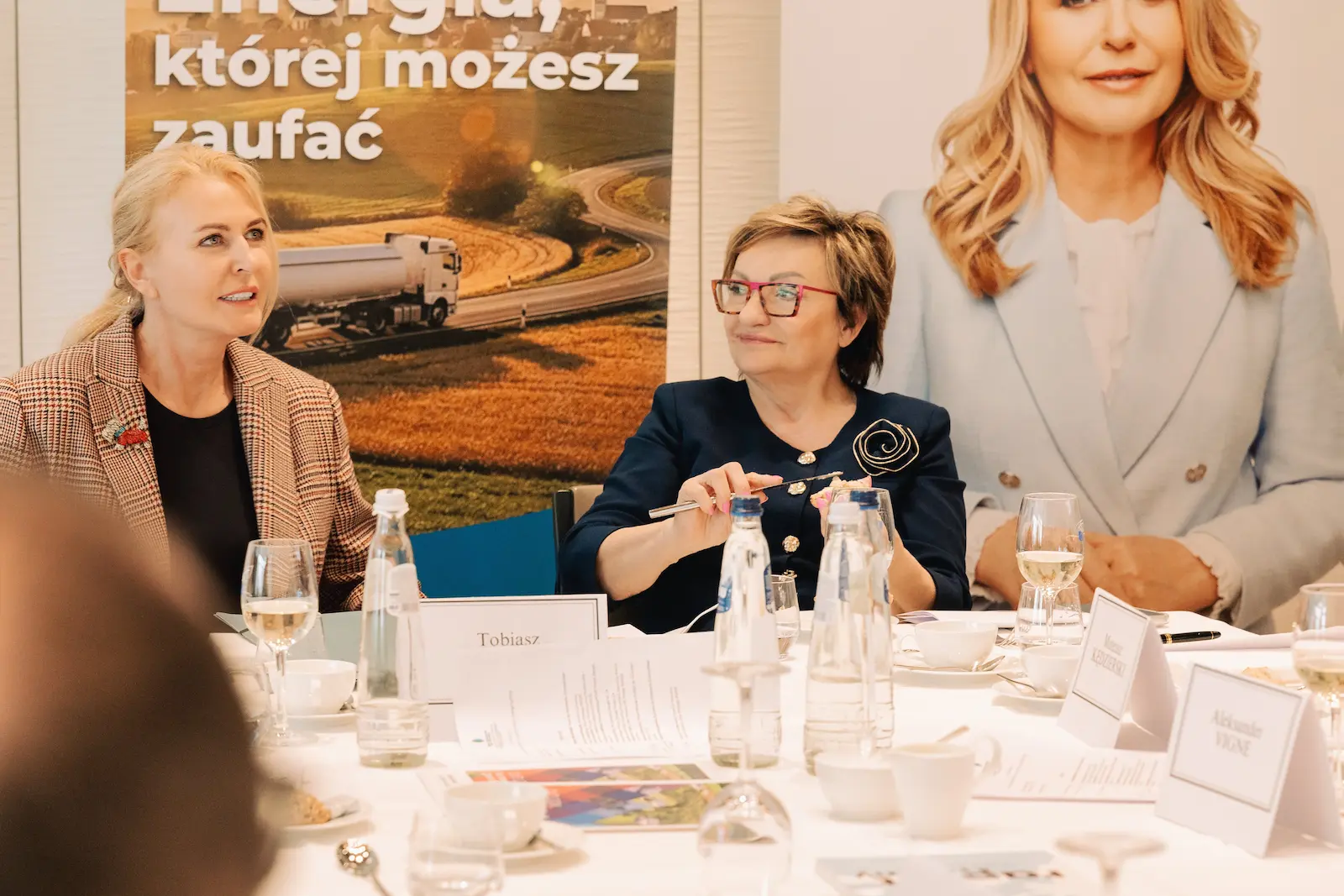
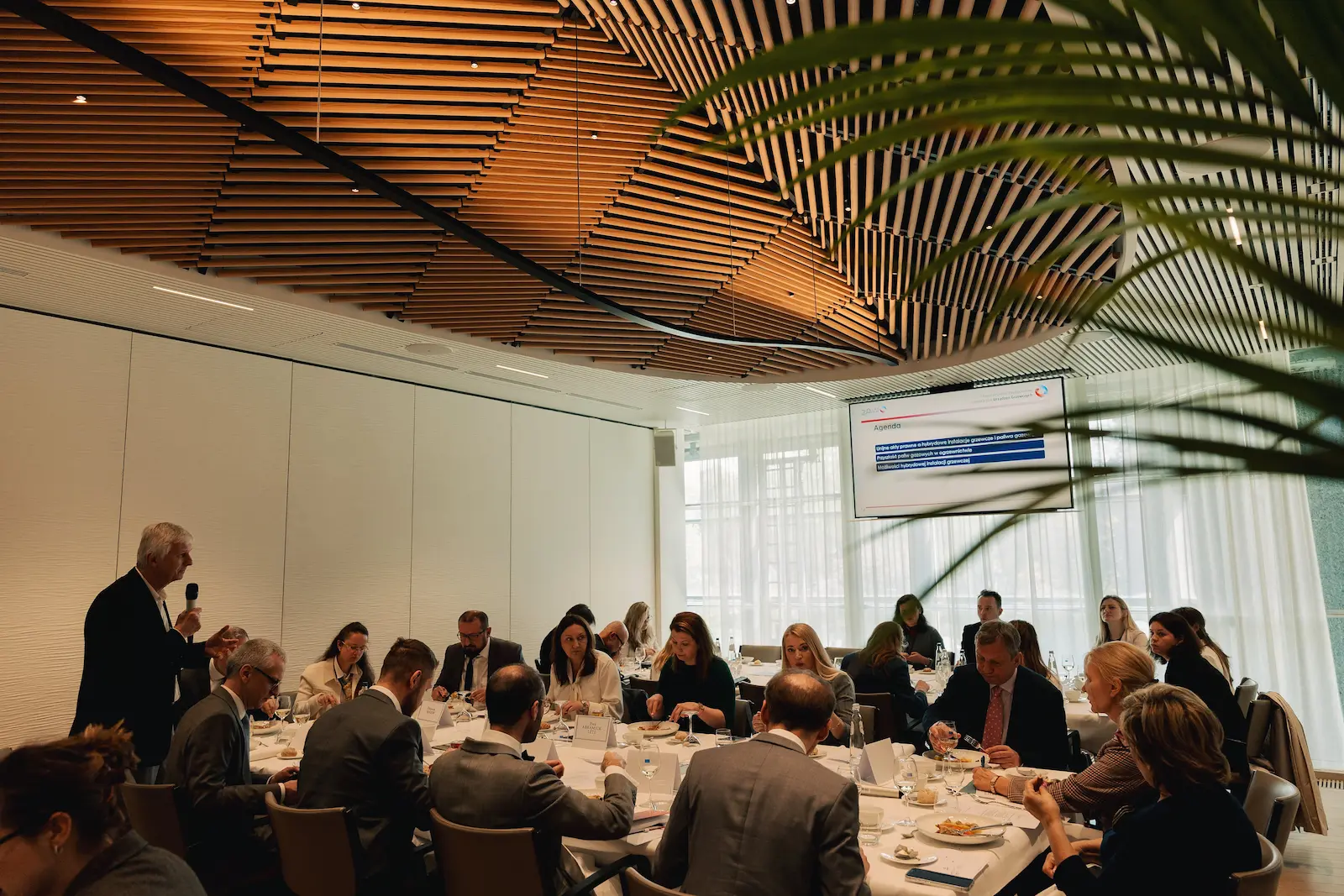
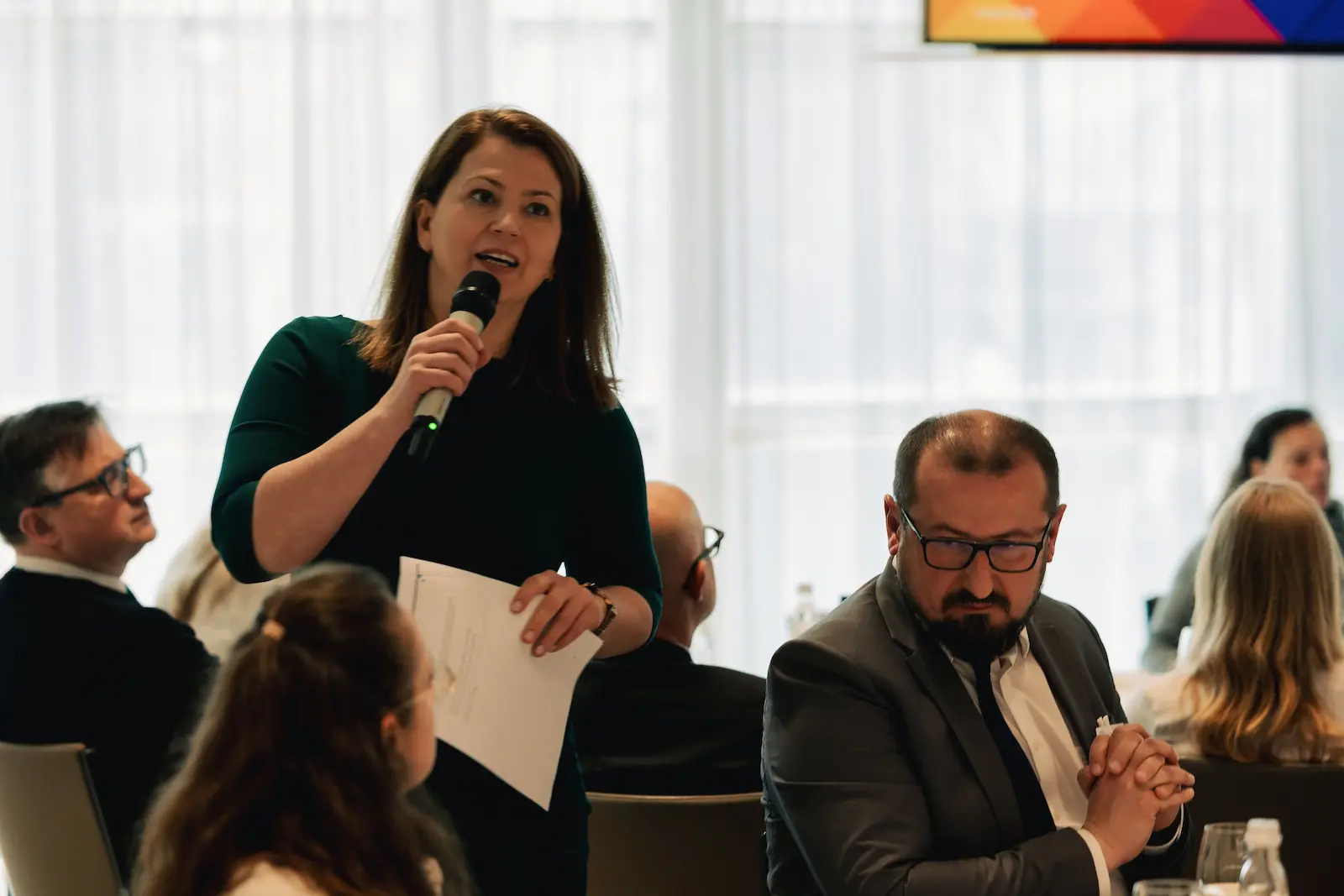
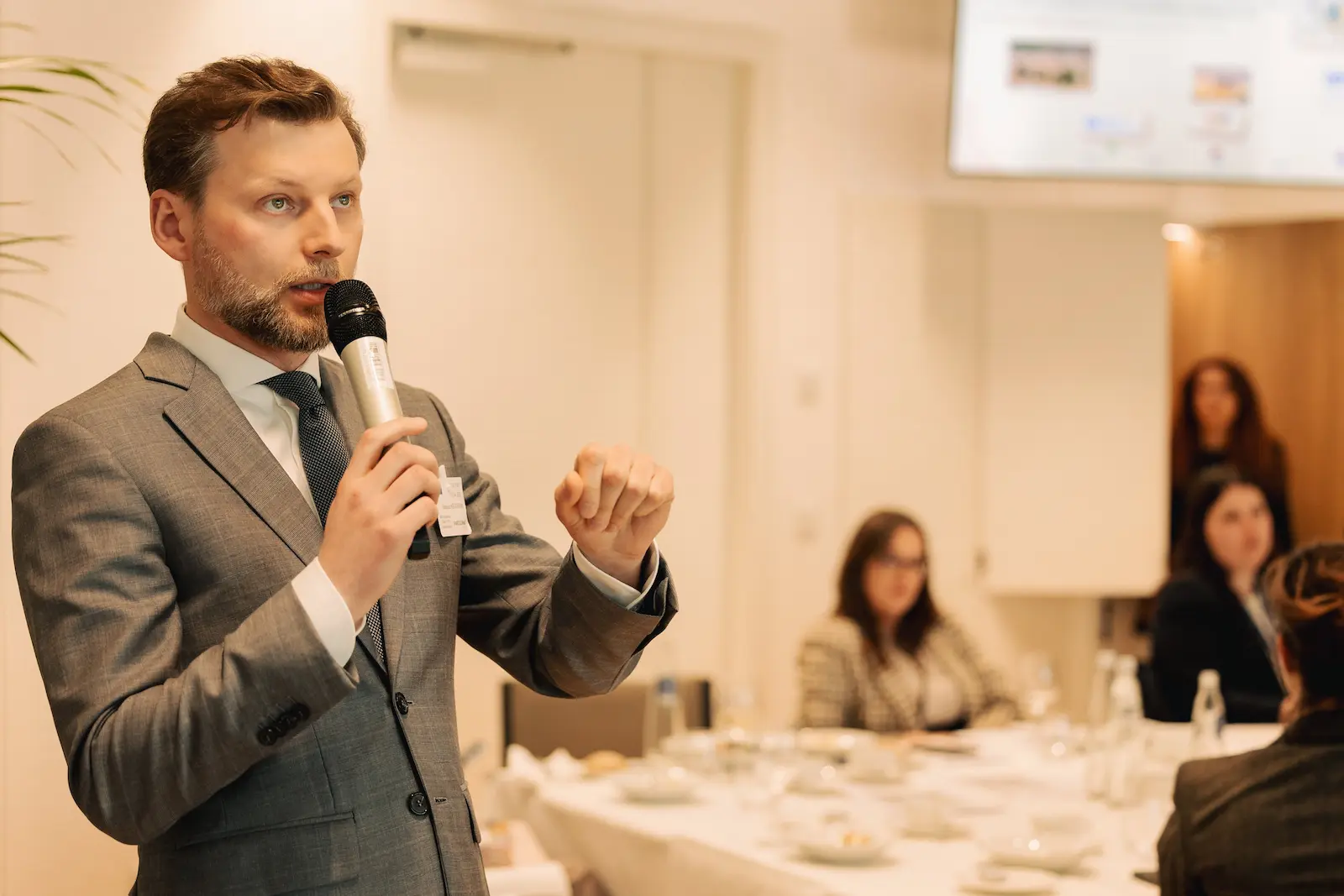
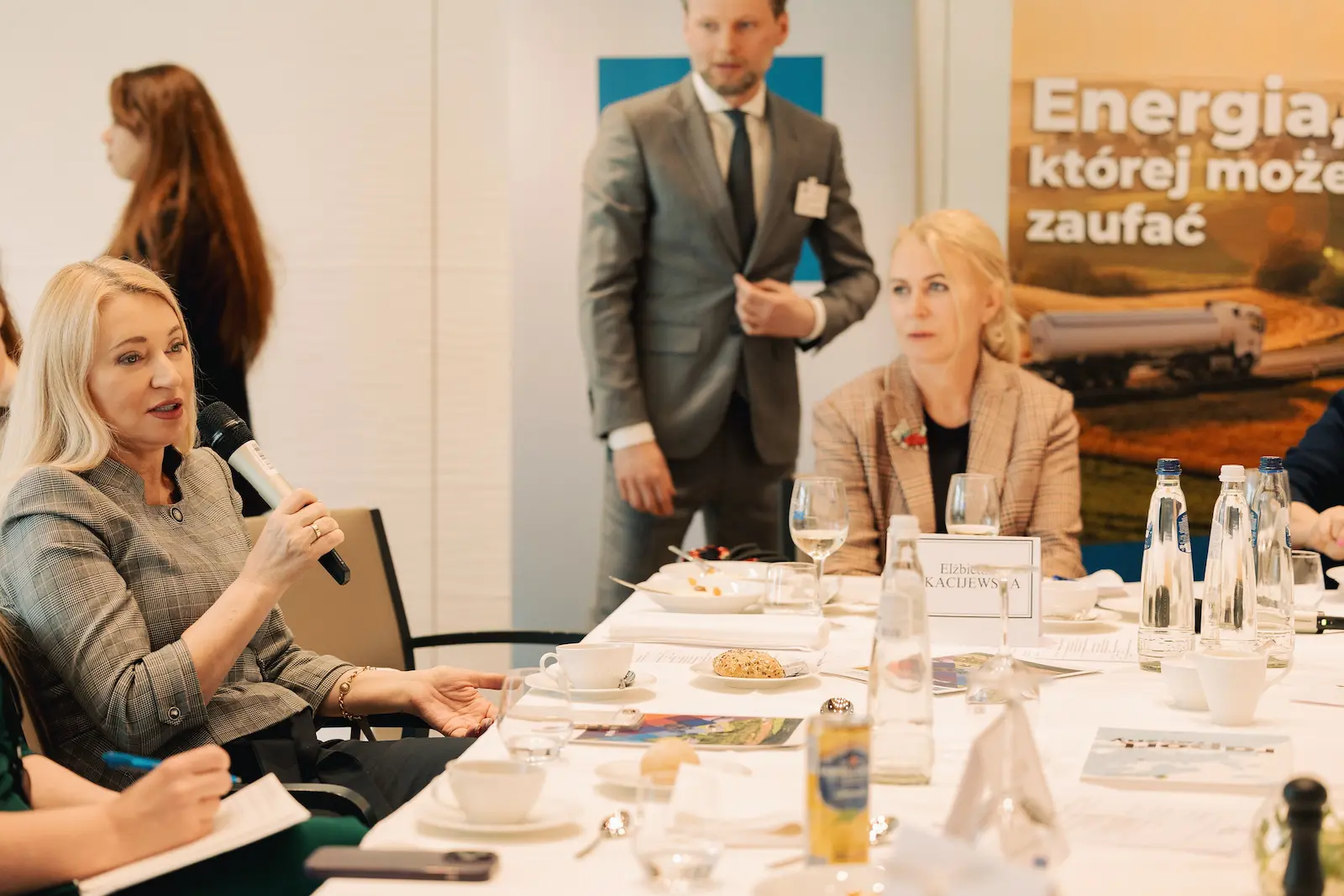
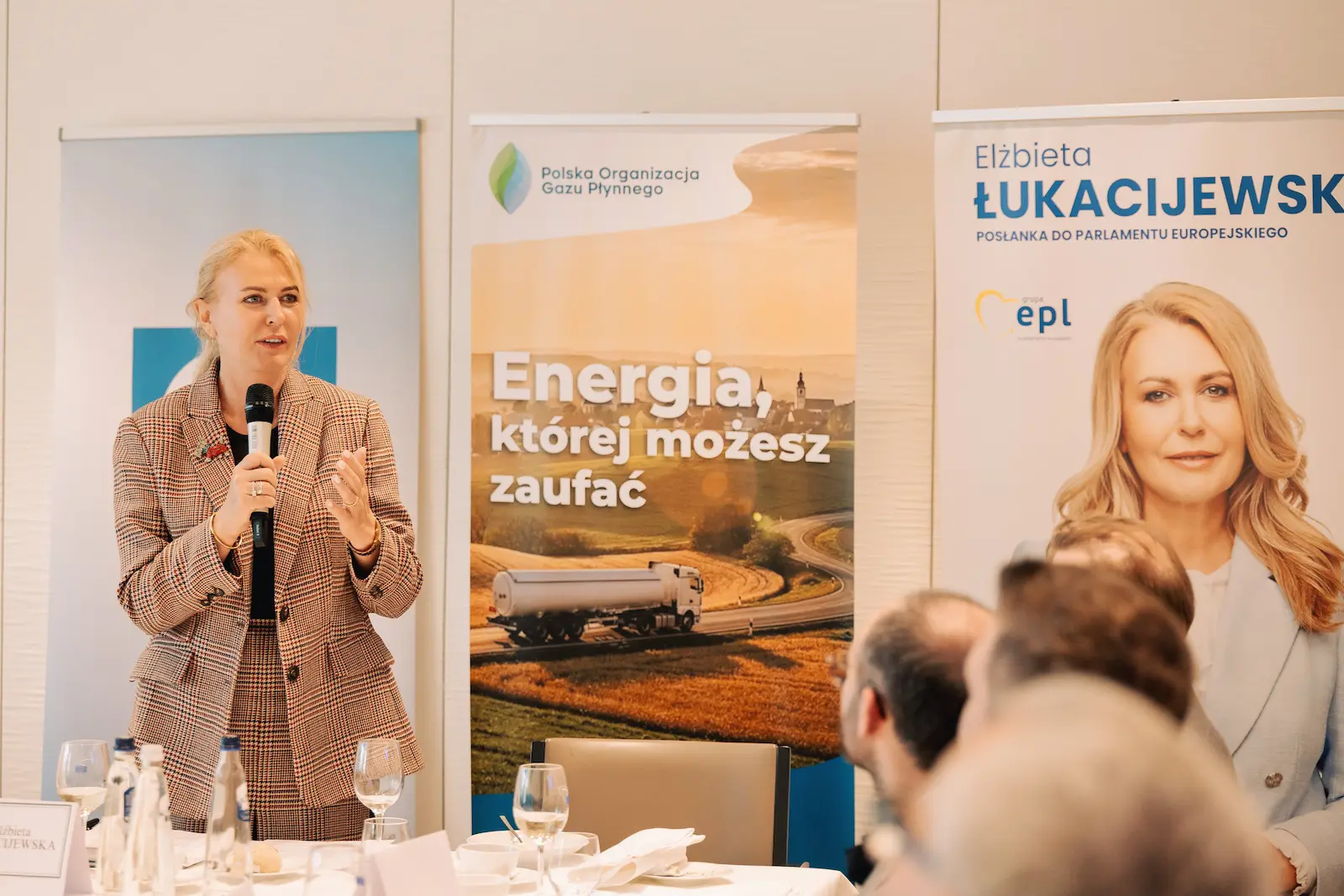
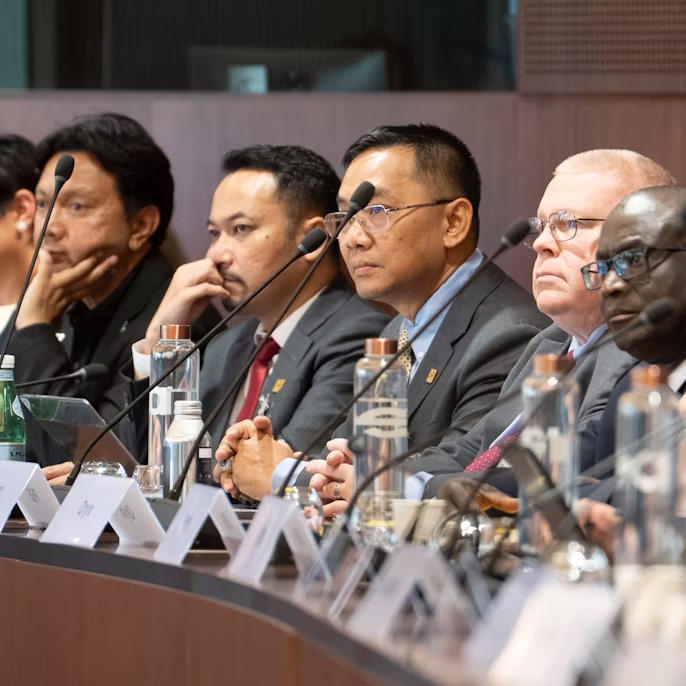
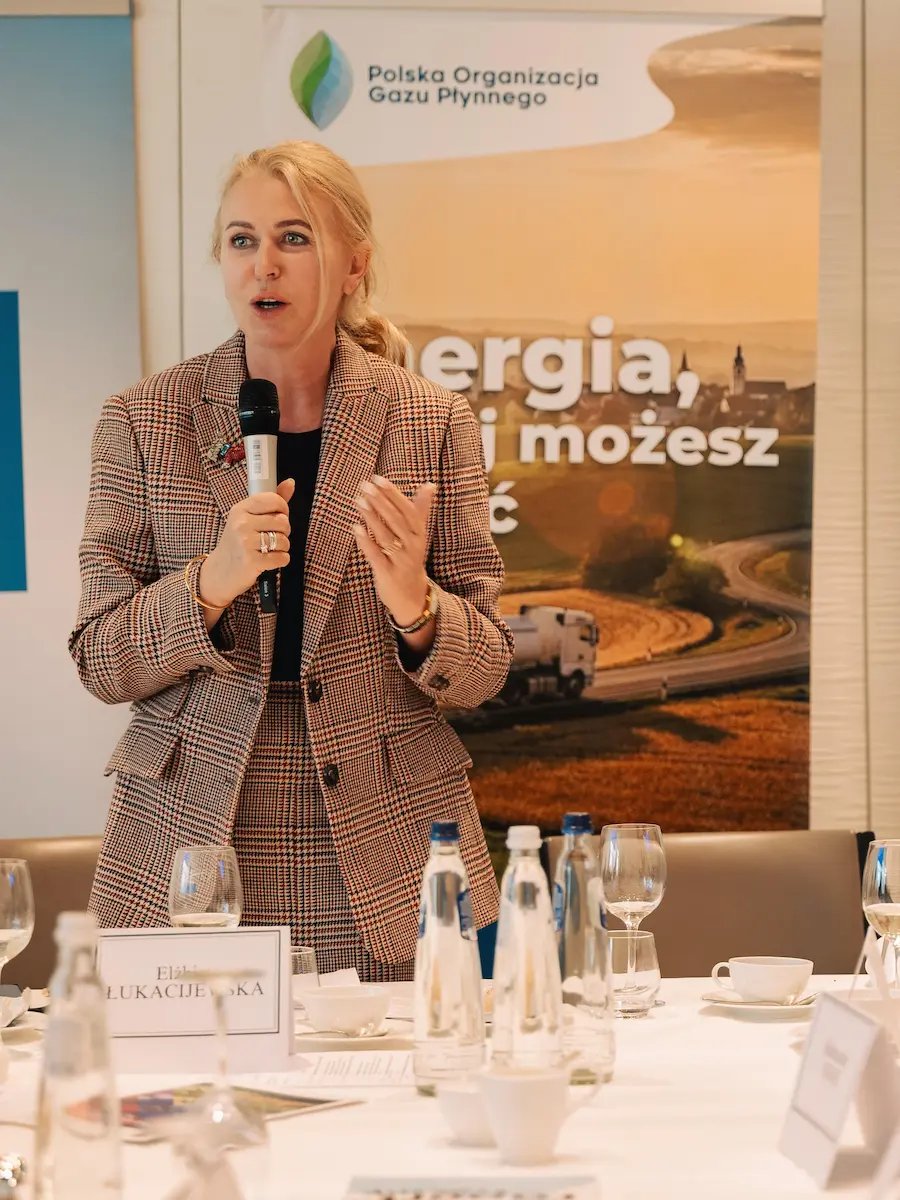
Liquefied gas (LPG) can play an important role in Europe’s energy transition as a solution complementary to renewable energy sources – especially where electrification remains difficult for technological or economic reasons. Those were the conclusions voiced during the meeting “The role of liquefied gas (LPG) in Europe’s energy transition”, held on 15 April 2026 at the European Parliament in Brussels. The event, co-organized by MEPs Elżbieta Łukacijewska and Kosma Złotowski, was held at the request of the Polish Liquefied Gas Organization (POGP) and Stowarzyszenie Producentów i Importerów Urządzeń Grzewczych (SPIUG, the Association of Manufacturers and Importers of Heating Appliances).
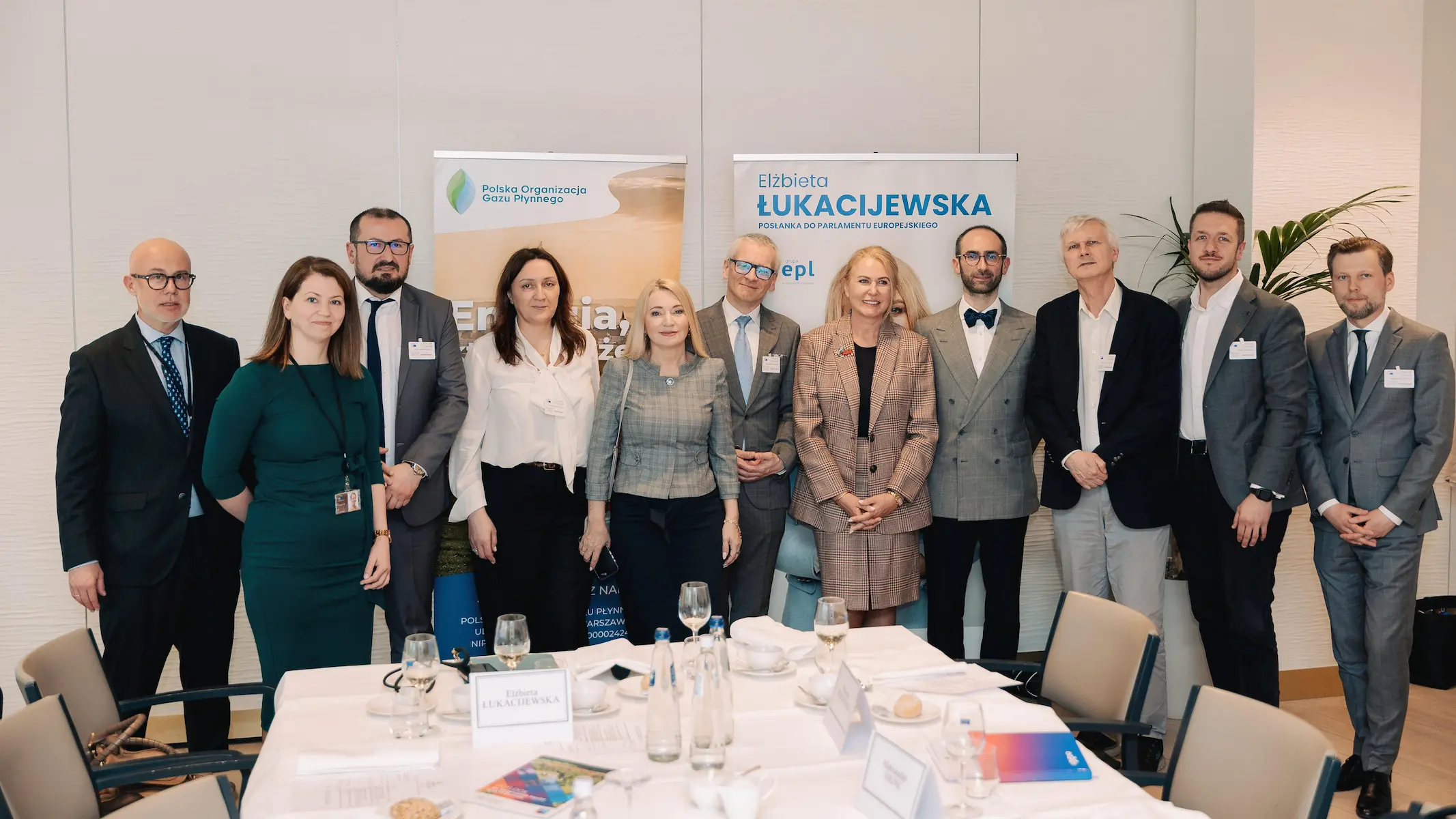
Participants stressed the importance of technology neutrality, the need to combine climate goals with security of supply, and the need to secure stable and affordable energy prices for consumers. The role of renewable gases such as bioLPG and biomethane, which can cut emissions using existing infrastructure, was also highlighted. The debate showed that the energy transition needs to take account of the competitiveness of Polish companies, which today play a very important role in the European markets for LPG conversion systems, heating boilers and pressure tanks.
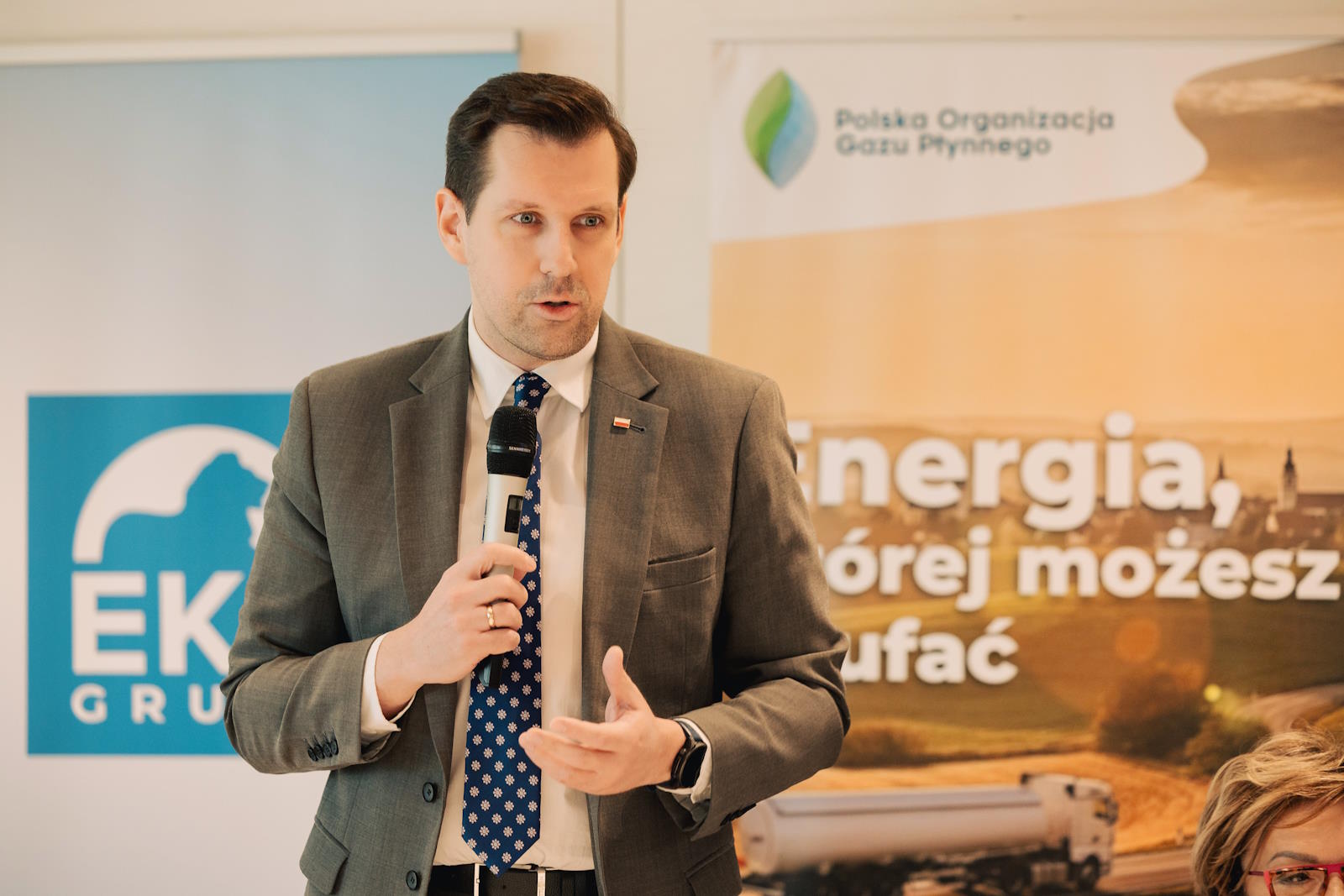
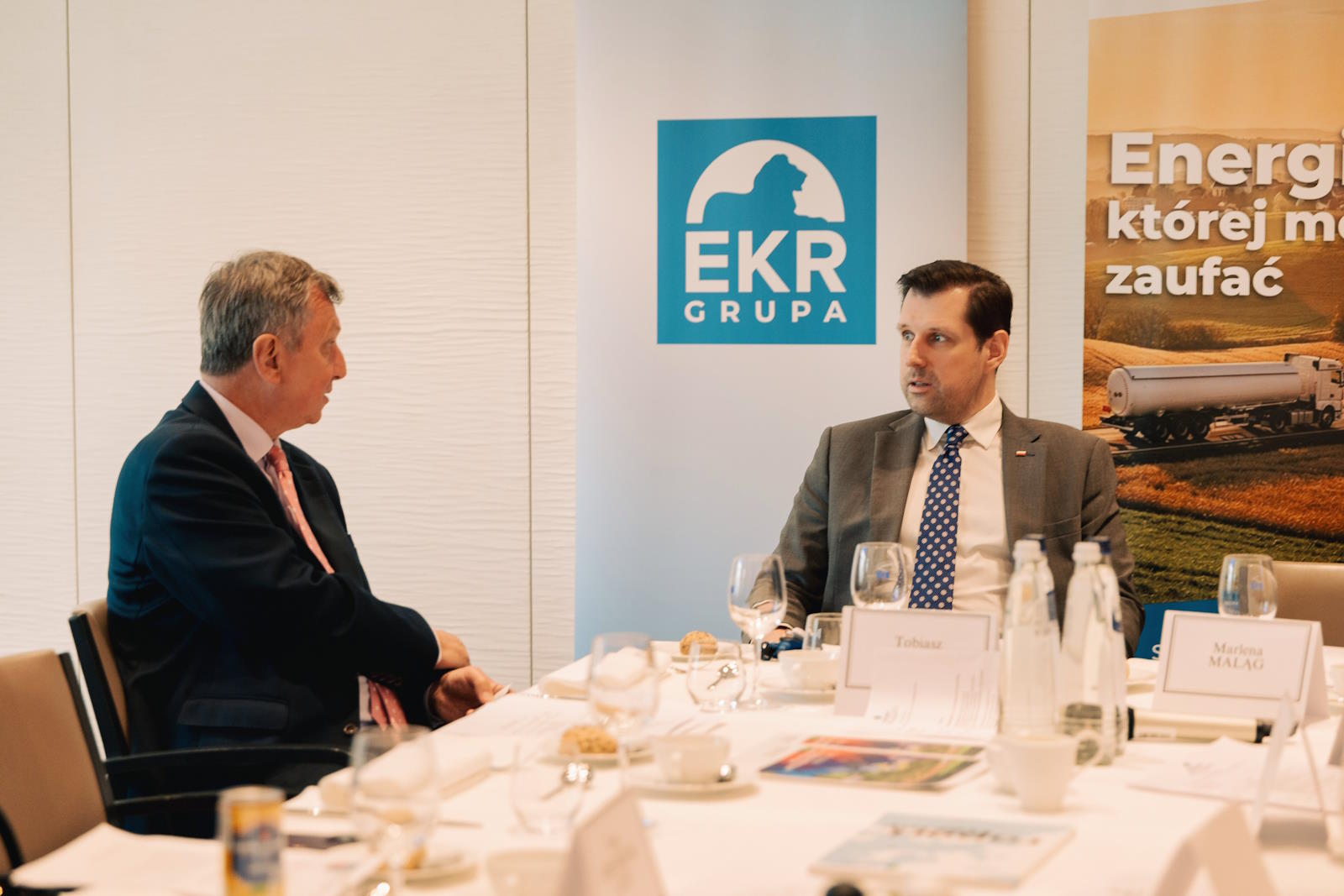
Opening the meeting, Member of the European Parliament Tobiasz Bocheński welcomed the participants to the European Parliament and stressed the importance of an open, fact-based debate on energy transition pathways. He noted that ensuring energy security, affordability and technology neutrality remains one of the key challenges for both the European Union and its member states, especially in the current geopolitical and economic circumstances.
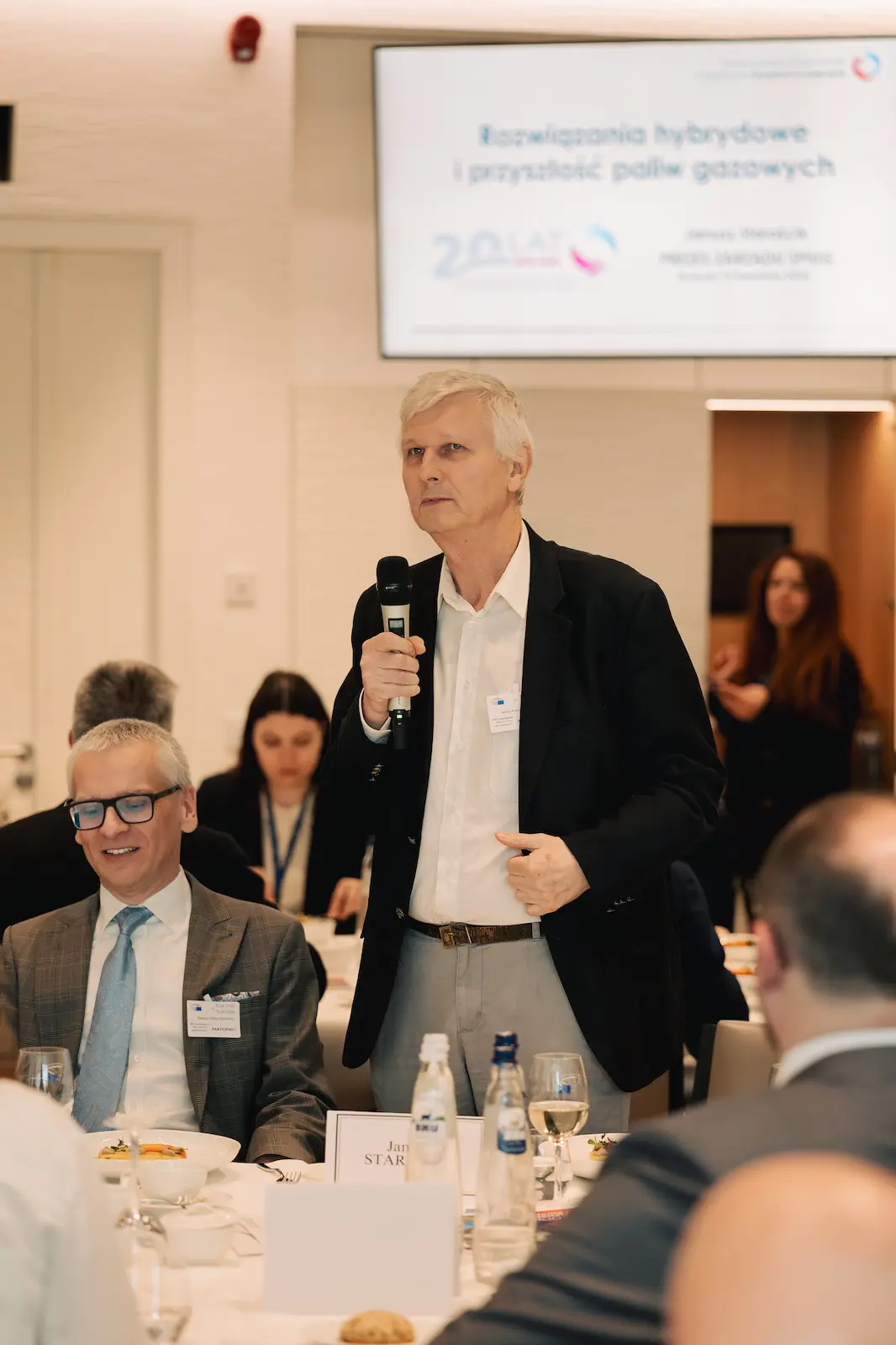
The substantive part of the discussion was opened by Bartosz Kwiatkowski, Director General of the Polish Liquefied Gas Organization (POGP), who set the strategic context by presenting the scale and the diversity of LPG use in the European Union and in Poland. He emphasized that a credible energy transition must be attainable, must take existing market realities into account and must rest on proven solutions that are feasible both technically and economically. That perspective was broadened by Janusz Starościk, President of SPIUG:
At the current stage, gas is a factor that stabilizes the supply of electricity and heat in installations that use weather-dependent renewable sources. Without gas as one of the fuels that allow a fast response, and without the appliances powered by that fuel, the energy security of such a system cannot be ensured. The transition toward renewable energy sources is based on the synergy of technologies that complement one another in hybrid systems, not on competition between them. There is room there for electricity generated from renewables, for solar energy used to produce heat, cooling and electricity, for biomass, and also for gaseous fuels, which already today stabilize renewable installations when those installations are not able on their own to secure users’ comfort.
Throughout the debate the theme of predictable regulation returned, together with that of upholding the principle of technology neutrality, and in particular of keeping on the market all the technologies that make decarbonization and better air quality possible. Ewa Gawryś‑Osińska, President of POGP and CEO of Gaspol SA, stressed that the predictability of European policy toward gas is crucial for rolling out innovation and for undertaking investment projects in the energy sector.
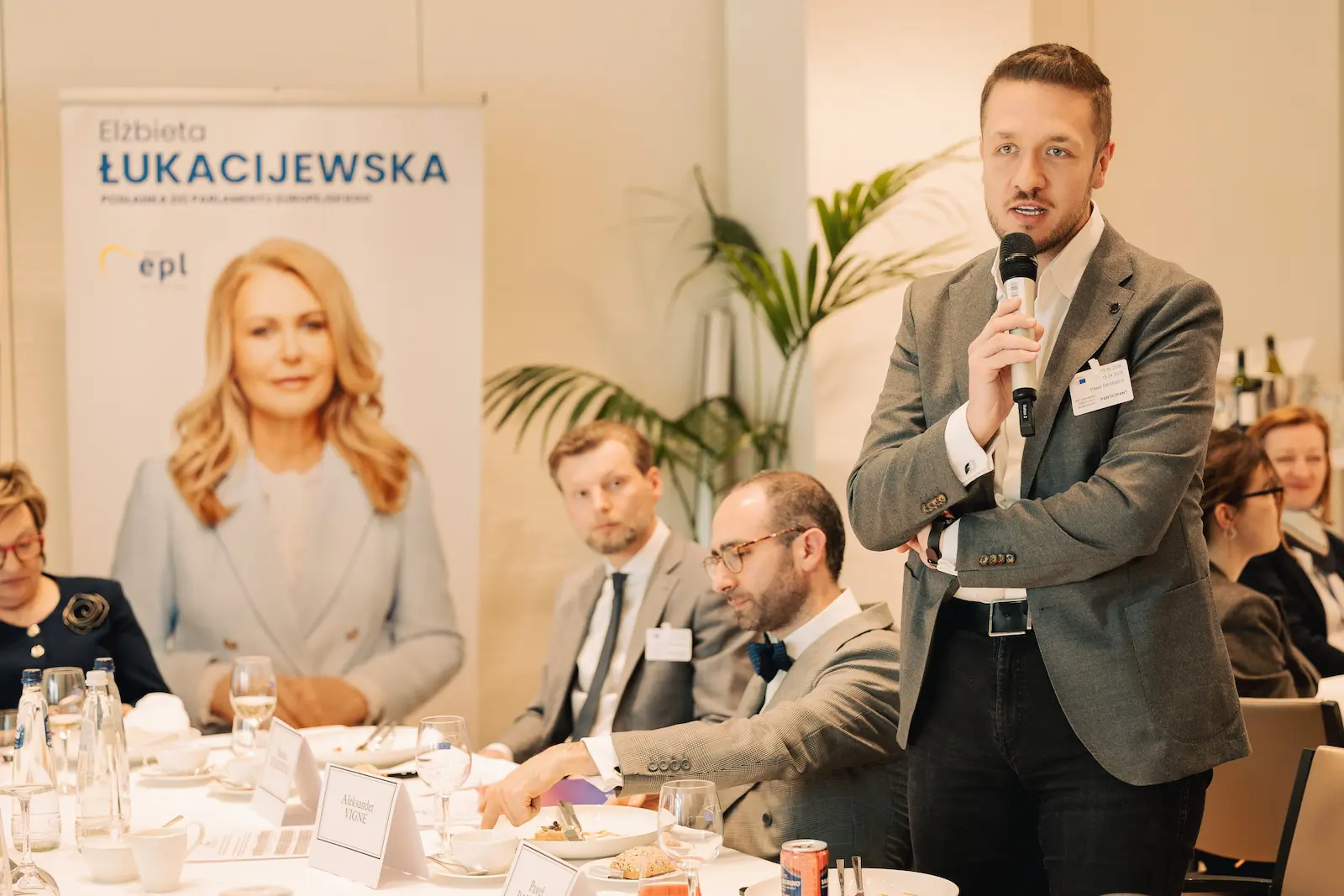
Paweł Baraniuk, Vice President of AC SA, drew attention to the significant role of autogas in the national economy, both in terms of employment and in terms of emission reductions, particularly in road transport. He argued that LPG-based mobility solutions have already delivered measurable environmental benefits and should be recognized as part of the energy transition toolbox. Polish companies hold more than a 50% share of the European market for LPG conversion systems and export to over 60 markets around the world.
Polish companies are the leading suppliers to the pressure tank market in the European Union and produce some of the most technically advanced gas boilers on the continent. Damian Majer, CEO of Termet SA, pointed to the competencies of Polish manufacturers, which are far ahead of their Asian competitors. He also stressed the dominant role of gas technologies in improving air quality in Poland from the launch of the Clean Air program up to 2025, and the technical infeasibility of the concept of fully electrifying heating.
The debate also took up the question of renewable liquefied gases, such as bioLPG, which can cut emissions without the need for costly modernization of existing energy infrastructure. Their potential was pointed out by Ewa Abramiuk-Lété, Managing Director of Liquid Gas Europe. These fuels can be used in the heating boilers and car engines that operate today, without any need to modify them. Wider uptake of renewable gases does, however, require a consistent position on the part of the European Union that secures a role for them in the continent’s energy transition.
Liquefied gas, which can also be produced from renewable feedstocks, is the foundation for the development of distributed energy. And it is distributed energy that guarantees energy security. – added Janusz Starościk - Without equal treatment of all the available technologies that use renewable energy sources and renewable fuels, carrying out the transition of heating may prove impossible to achieve in a relatively short time, let alone to win users’ acceptance for such a project.
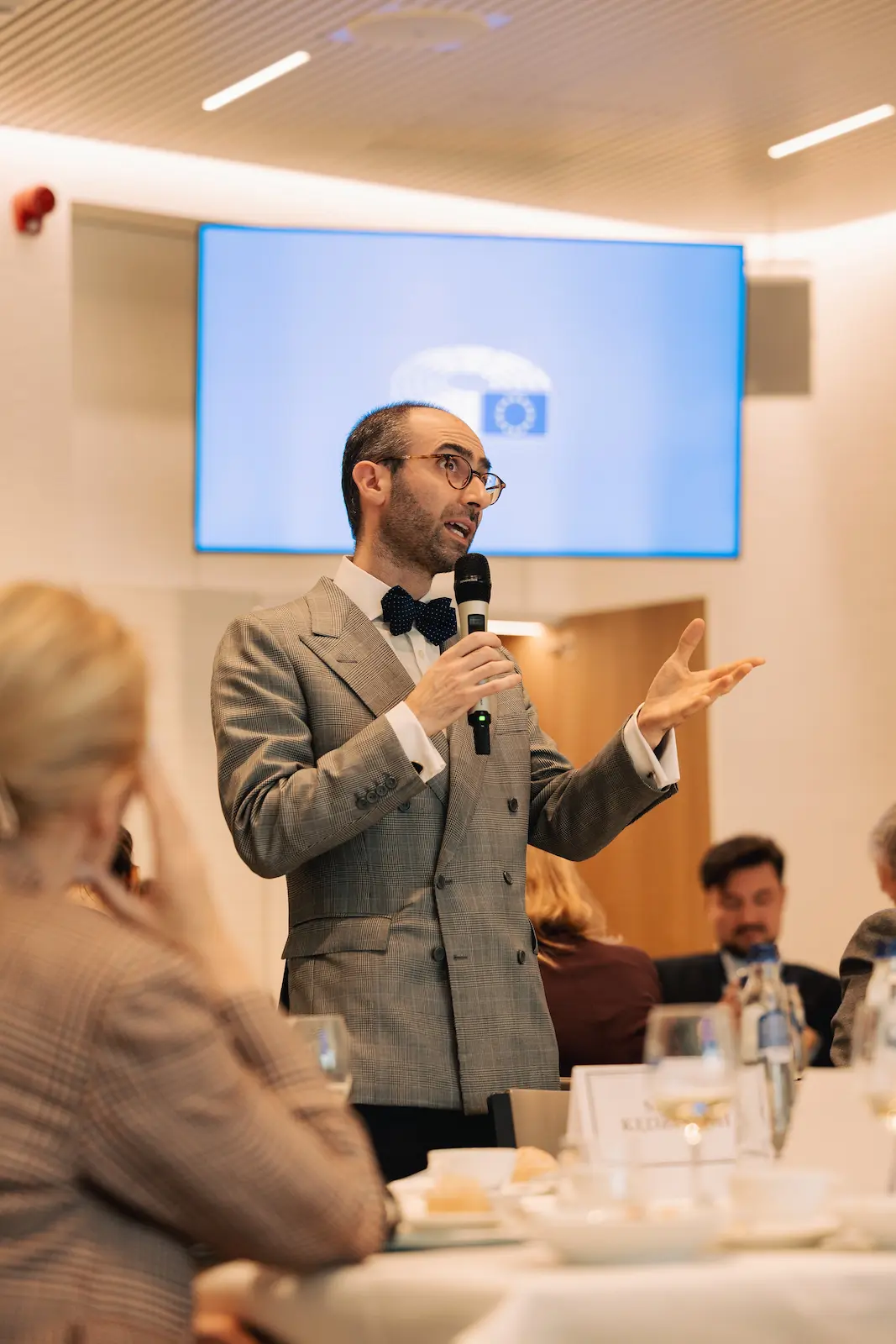
The European Commission’s perspective was presented by Aleksander Vigne, who stressed the need to balance climate goals with security of supply and the affordability of energy. He added that liquefied gas (LPG) will be used in Europe for a long time to come, above all in industrial applications.
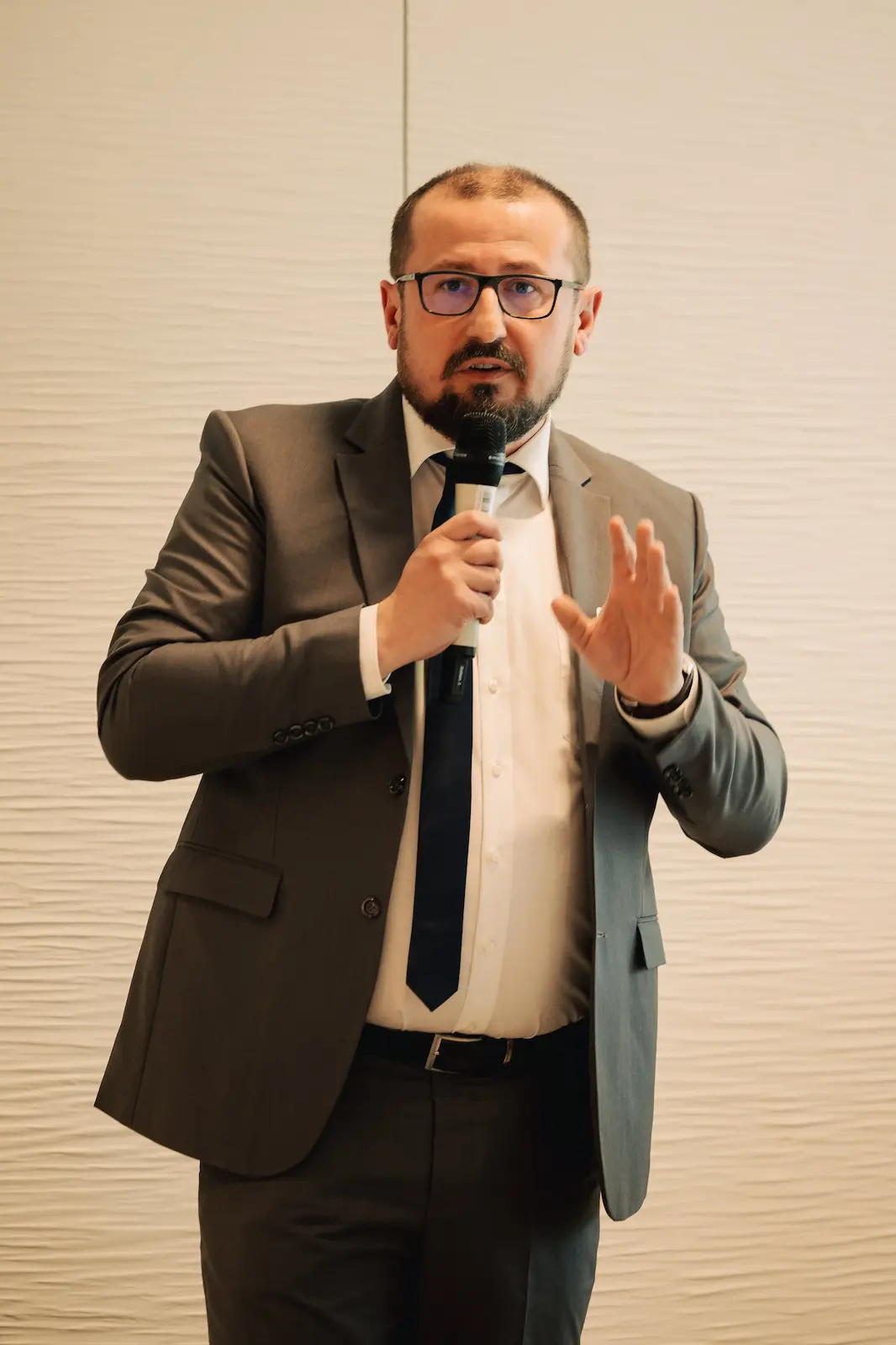
Closing the discussion, Mateusz Kędzierski, Chair of the POGP Innovation and Education Committee, outlined the outlook for liquefied gas. He observed that forecasts for the hydrocarbon market keep pushing the moment of peak consumption further into the future, while global LPG production continues to grow. The greatest humanitarian success of liquefied gas is the reduction, over the past 15 years, of some 800 million in the number of people without access to clean energy for cooking meals. Mateusz Kędzierski also stressed the key role of LPG as a fuel that is easy to deliver to areas hit by natural disasters and humanitarian crises – as was the case in Poland, for instance after the recent flood or when reception points for refugees from Ukraine were being set up.
Bartosz Kwiatkowski, Director General of POGP, commented as follows in response to a question about the industry’s three most important demands:
We support the Polish position on postponing the entry into force of the ETS2 system until 2030 and on securing the predictability of CO2 emission costs. Consumers will not accept uncontrolled swings in fuel prices driven by speculation in allowances. We also call for counteracting the recurring initiatives of the Commission and of some groups in the European Parliament aimed at eliminating gas boiler technology from the heating mix. The ongoing discussion on the automotive package is, in turn, an opportunity to restore the broken principle of technology neutrality for the passenger car market and to allow the reduction target to be met with renewable fuels – including bioLPG.
POGP points out that liquefied gas (LPG) remains a flexible and widely available solution, particularly common in rural and sparsely urbanized areas. Using this fuel not only provides affordable energy for less affluent households, but also helps to reduce smog in Poland. Gas technologies and hybrid systems can support a rational, cost-effective transition and can effectively complement the remaining pillars of the decarbonization of the economy.
In her closing remarks Elżbieta Łukacijewska noted that the Union’s energy policy should ensure consistency between EU climate ambitions and national energy choices. Energy policy that takes national circumstances into account is the exclusive competence of the member states.
EU energy policy should be based on the principle of technology neutrality. Under the Treaties, every member state has the right to determine its own energy mix. That means that if LPG – and its renewable counterparts, such as bioLPG – can support a gradual shift to a climate-neutral economy, we should make full use of that potential.- concluded Elżbieta Łukacijewska.
The role of liquefied gas (LPG) in the Polish economy and its place in public policy will be discussed by the participants of the 3rd Forum Paliw Gazowych (the Gaseous Fuels Forum), which will take place on 23 April 2026 in Warsaw.