IEA: the greatest success of LPG is cooking
13 July 2026
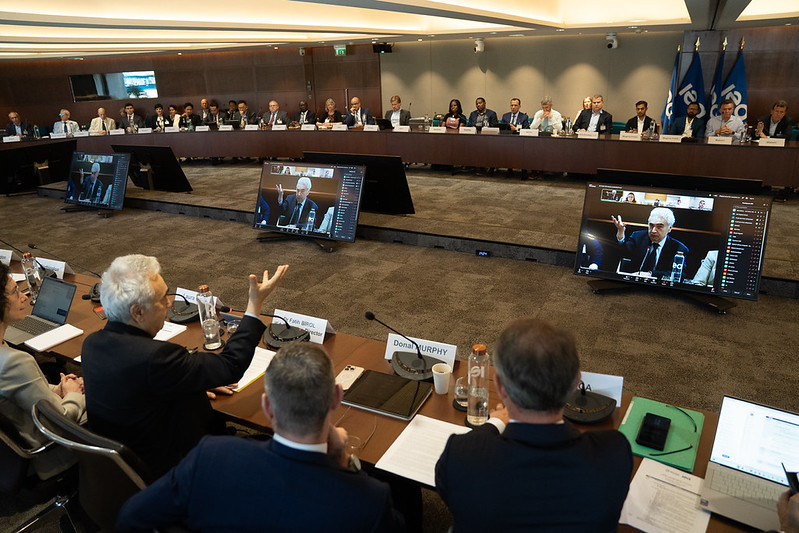
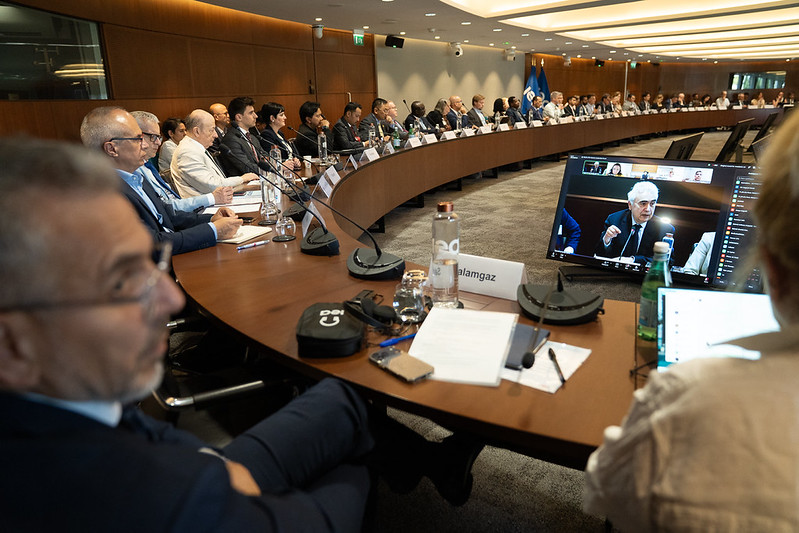
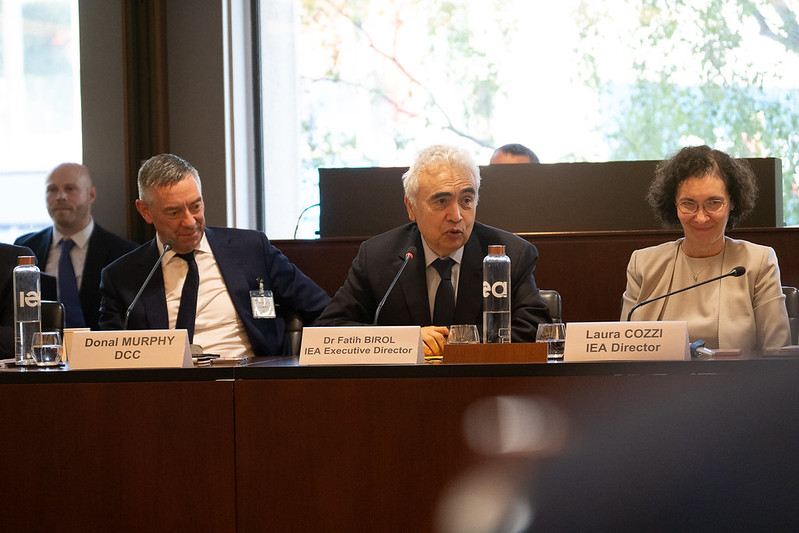
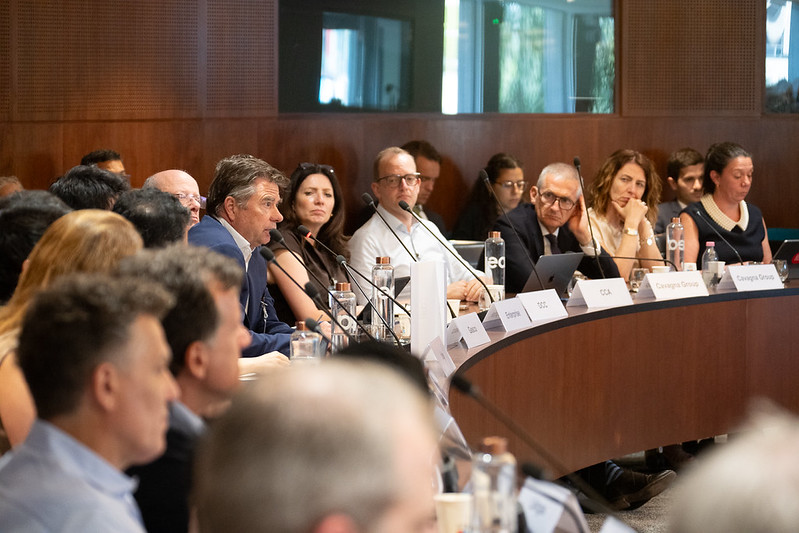
On 25 June 2026 the World Liquid Gas Association (WLGA) and the International Energy Agency (IEA) jointly organized the inaugural LPG Leadership Forum at the IEA headquarters in Paris. The meeting addressed three key issues: the effects of the war in the Persian Gulf and the outlook for the coming months, the role of LPG in strengthening the resilience of energy systems, and the unprecedented success of cooking with liquefied gas.
LPG Leadership Forum
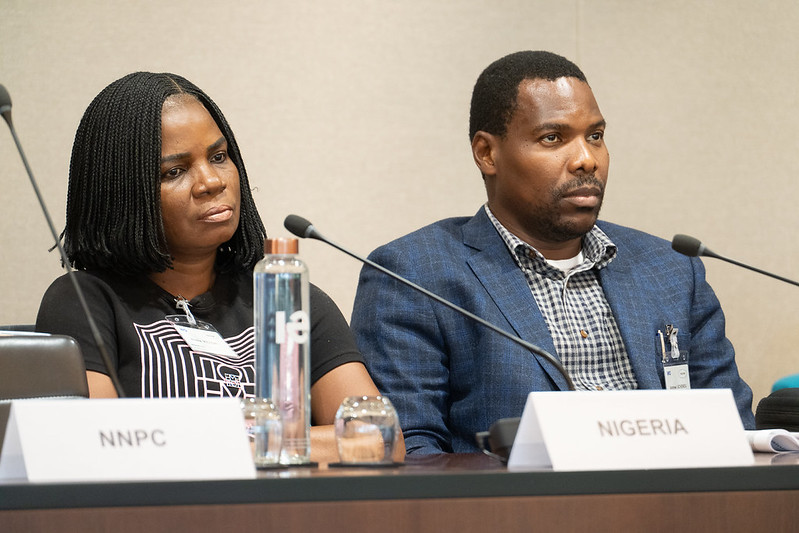
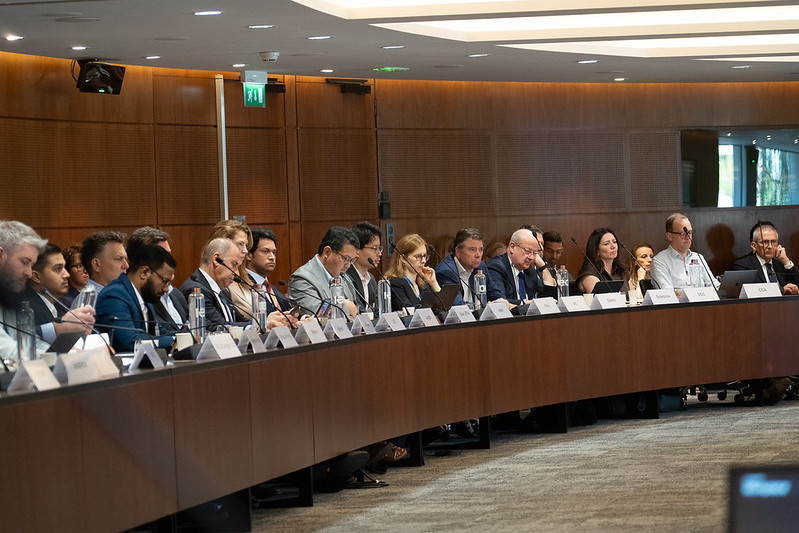
The forum was attended by representatives of the IEA, LPG industry leaders, international organizations (including NATO) and 17 representatives of the governments of IEA member states, Poland among them, which offered an opportunity for broad and constructive dialogue.
The LPG Leadership Forum was an important milestone in relations between the LPG industry and the International Energy Agency. The IEA recognizes the key role of LPG in improving the resilience of energy systems and - above all - in widening access to clean energy carriers for preparing meals in developing countries around the world. The meeting was a continuation of the debate begun at the Summit on Clean Cooking in Africa held in 2024, where LPG was recognized as an important element of the global energy mix.
As the IEA understands it, a household is deemed to have access to clean cooking methods if it uses mainly clean solutions in this area to prepare meals. Those solutions include biogas, electricity, ethanol, LPG, natural gas and advanced biomass stoves.
Full deployment of clean cooking solutions is a key element of the transition toward universal access to energy.
The event was opened jointly by James Rockall, Managing Director of the WLGA, Dr Fatih Birol, Executive Director of the IEA, and Donal Murphy, CEO of DCC Energy and President of the WLGA. The combination of strategic presentations, industry perspectives and interactive debate underscored the value of bringing together stakeholders from different regions and markets. Delegates stressed the importance of maintaining regular dialogue in the face of the ever faster pace of policy and market change.
The discussions focused on the crucial importance of strategic LPG storage and stockholding mechanisms, the diversification of supply and the strengthening of national energy resilience, particularly in the case of developing economies and African markets.
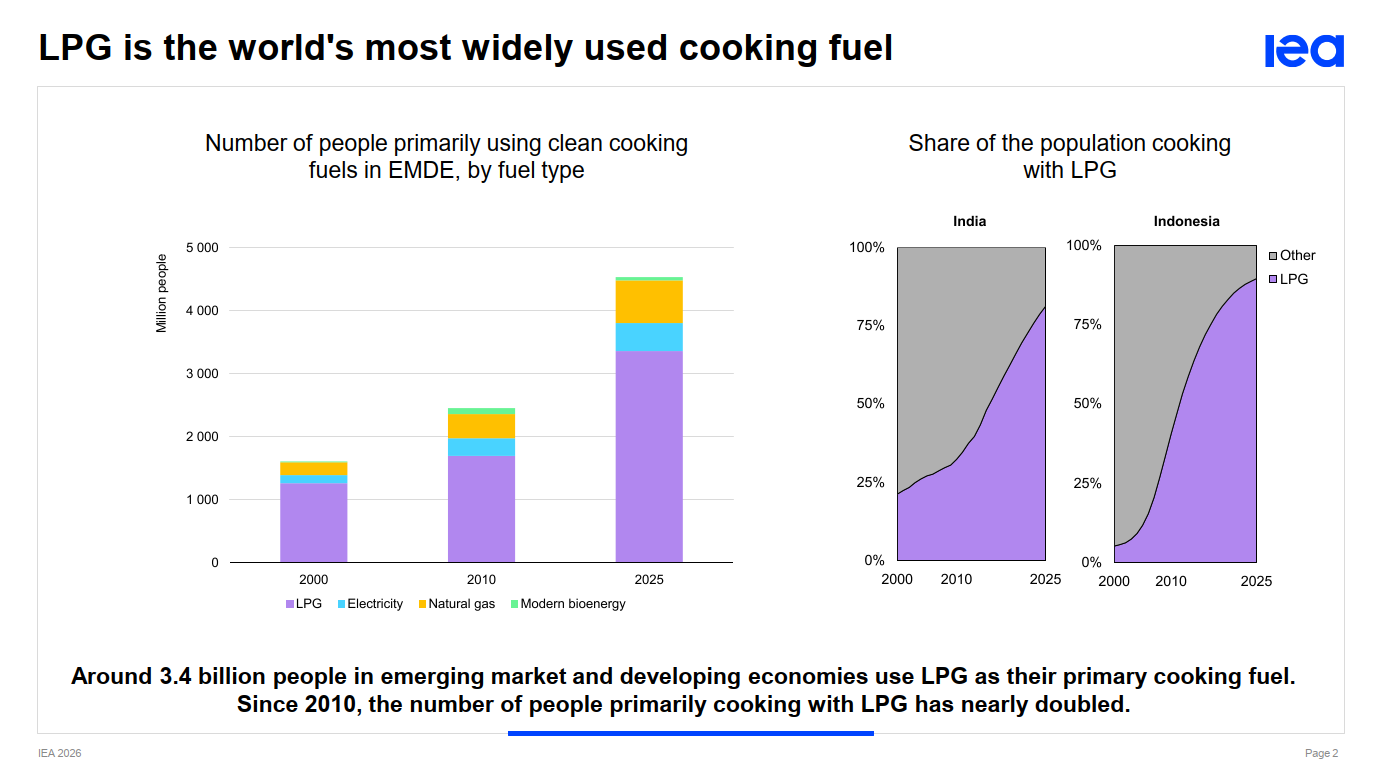
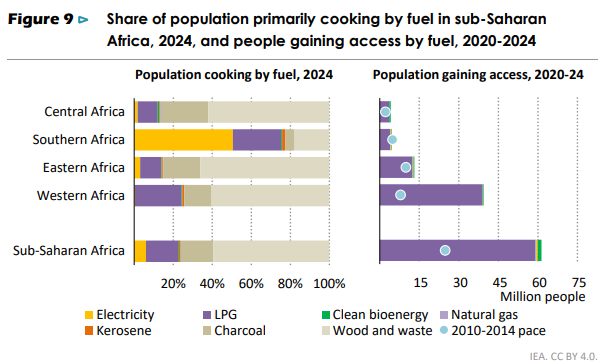
Participants recognized the key role that LPG plays in ensuring energy security as the basic cooking fuel for 3.4 billion people in developing economies. Over the past 15 years that number has doubled, and in India and Indonesia liquefied gas (LPG) has come to dominate this segment of the market, displacing poorer-quality fuels whose combustion led to exposure to harmful substances - biomass in particular. Today the greatest challenge remains the African market - in sub-Saharan Africa, with the exception of well-developed South Africa, wood and waste still dominate meal preparation (around 60%), and these will, in line with the IEA's goals, be replaced in the years ahead by gas and electricity.
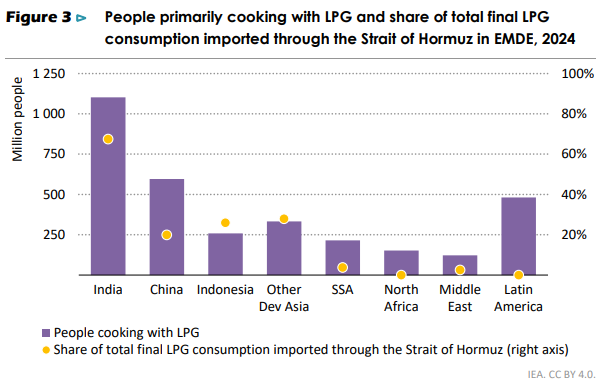
Over the past two decades countries such as India and Indonesia have relied on LPG as part of large-scale campaigns designed to rapidly expand access to clean cooking solutions. Today 80% of India's population and 90% of Indonesia's population cook with LPG, and both countries are net importers, heavily dependent on suppliers from the Middle East. The consequences of the closure of the Strait of Hormuz for the liquefied gas markets in those countries mattered far more than they did for Europe, as we wrote in recent editions of the POGP newsletter. A discussion is now under way on how to make the market even more resilient to similar disruptions in the future.
Participants in the LPG Leadership Forum focused on the importance of closer cooperation between governments and industry in order to improve the resilience of global supply chains and reduce the risks associated with future disruptions. These discussions fed into ongoing international efforts to strengthen energy resilience, including through the Clean Cooking Security Programme run by the International Energy Agency (IEA), which aims to identify the public policies, key investments and partnerships needed to strengthen the resilience of global LPG supply chains.
More details from the meeting can be found on the World Liquid Gas Association website.
The forum proved how important it is for the industry to work closely not only among its own members, but also with key external stakeholders - such as the IEA and NATO. The flexibility of LPG and its ubiquity play an important role in the economy, and that role is not always understood by players outside the industry. LPG is recognized as a practical solution that makes an immediate reduction in emissions possible while at the same time supporting the long-term goals of the energy transition. The event strengthened the role of the WLGA as the global advocate of the LPG industry.
The Clean Cooking Alliance is established
On 8 July 2026 twelve countries took part in the first meeting, organized by the IEA, of the newly established multilateral alliance the “Clean Cooking Alliance” (CCA).
Twelve governments were represented at the inaugural sitting – Belgium, Germany, Ireland, Italy, Kenya, the Netherlands, Norway, Sierra Leone, Sweden, Uganda, the United Kingdom and the United States – and further countries are actively considering joining the alliance. The governments that have joined the CCA will set the international agenda on clean cooking. The alliance will also provide a platform enabling countries to work directly with development partners, industry, financial institutions and civil society in order to strengthen national clean cooking markets, mobilize investment and accelerate deployment. The CCA secretariat will be run by the Agency, which will make it possible to draw on the Agency's specialist expertise and organizational capacity. The founding membership of the Alliance was officially announced by IEA Executive Director Fatih Birol during the Summit on Clean Cooking in Africa, held in hybrid format on 9 July.
For more than a quarter of a century the IEA has been providing data and analysis and convening meetings to make clean cooking an international energy priority – Birol said. - Bringing the Clean Cooking Alliance into the IEA marks another chapter in those efforts, creating an intergovernmental platform on which developed and developing economies work together as equal partners.
During the Summit on 9 July a report was presented on progress in giving the inhabitants of Africa the tools for clean meal preparation. It contains a detailed breakdown of the energy sources used, capital expenditure, the involvement in the project of the countries that officially joined the Clean Cooking Alliance in July, and the public policy instruments applied, as well as - equally interestingly - the role of China in the whole process. The full report can be found on the IEA website.
Together with the WLGA we hope that the International Energy Agency will take an even more active part in the discussion on the future of LPG in the context of the global energy transition. That debate will continue during the Liquid Gas Week in Istanbul organized by the WLGA, which will be held on 12-16 October 2026. WLGA Director General James Rockall extended an invitation to take part in the event during April's Forum Paliw Gazowych (the Gaseous Fuels Forum) in Warsaw: