Can Poland phase out gas?
8 June 2026
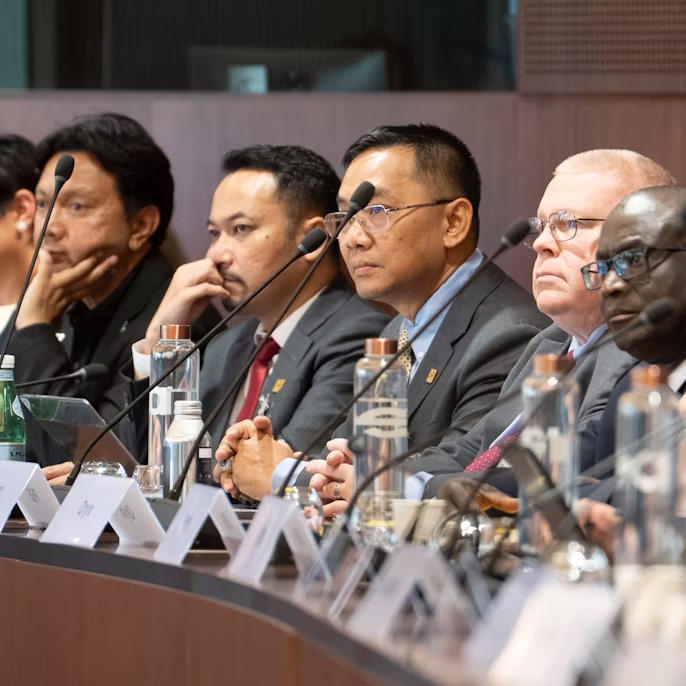
On 18 May 2026 the PAP Press Center in Warsaw hosted a conference organized by Stowarzyszenie Producentów i Importerów Urządzeń Grzewczych (SPIUG, the Association of Manufacturers and Importers of Heating Appliances), the Polish Liquefied Gas Organization (POGP) and Termet S.A., devoted to the future of heating, energy security and the fight against low-stack emissions. Industry experts agreed that the full electrification of heating is not possible today and that hybrid technologies and gaseous fuels - including LPG, biomethane and hydrogen - should play the key role in the transition.
The conference, entitled "Czy Polska może odejść od gazu? Bezpieczeństwo energetyczne, czyste powietrze i realistyczna transformacja" (Can Poland phase out gas? Energy security, clean air and a realistic transition), brought together representatives of the heating and gas industries, who addressed the direction of the European energy transition, the impact of EU regulations on the market for heating appliances and the challenges related to Poland’s energy security. The discussion also took as its starting point the conclusions from the debate Rola LPG w transformacji energetycznej (The Role of LPG in the Energy Transition), held in April this year at the European Parliament in Brussels.
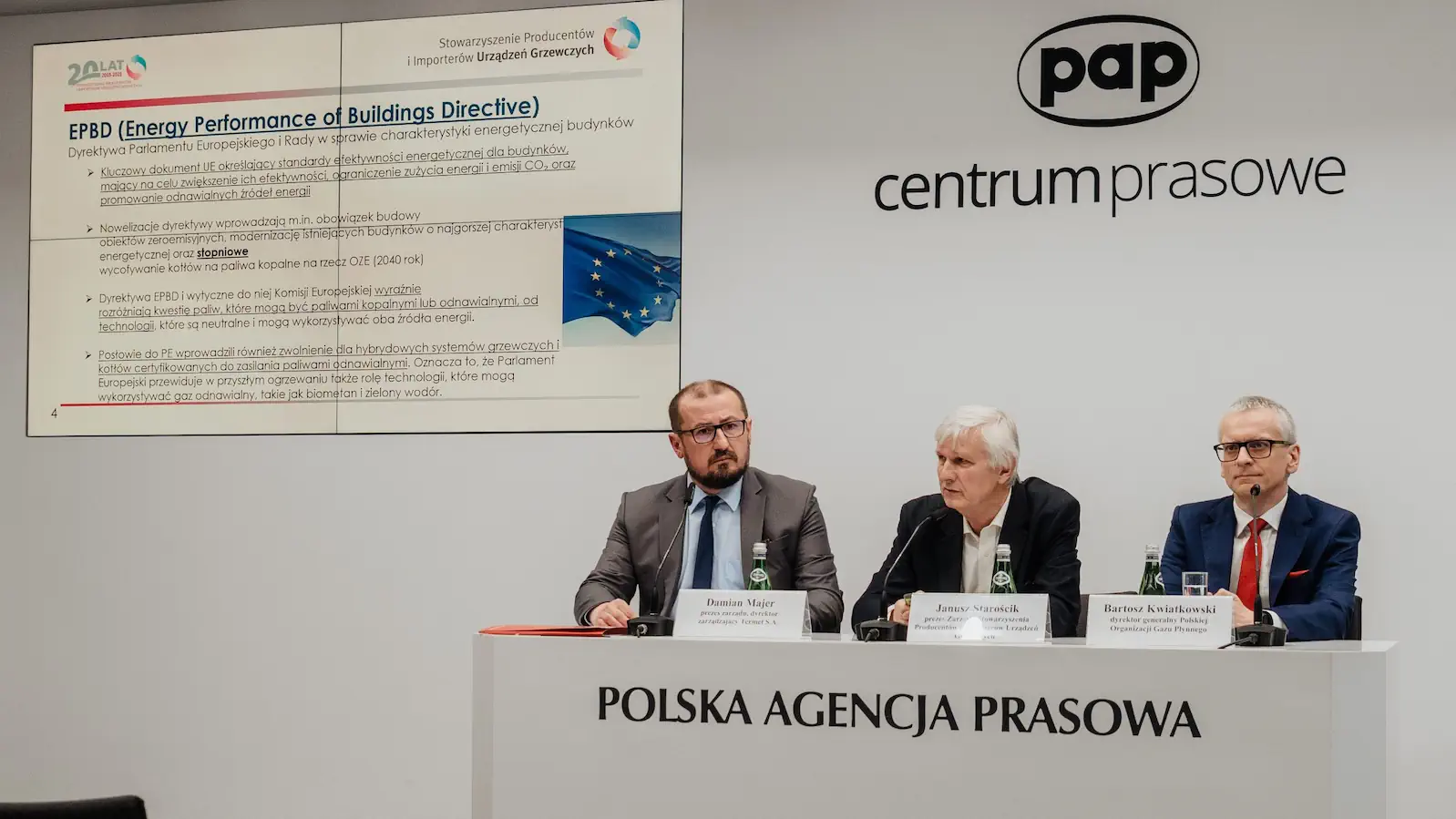
Janusz Starościk, CEO of SPIUG, Bartosz Kwiatkowski, Director General of POGP, and Damian Majer, CEO of Termet S.A., agreed that the energy transition must take into account the real infrastructural, economic and social possibilities. In the view of the conference participants, moving away from fossil fuels should proceed in stages, preserving technology neutrality and using a variety of energy sources - particularly in the heating sector.
The energy transition requires technology neutrality
Janusz Starościk, CEO of SPIUG, focused his presentation on the impact of European climate regulations on the heating industry and the future of heating systems. He stressed that a complete phase-out of gas is at present neither realistic nor beneficial from the point of view of Europe’s energy security.
The SPIUG CEO pointed out that the EU’s EPBD Directive provides for a significant role for hybrid technologies and for appliances adapted to the use of renewable fuels such as biomethane or hydrogen. In his view, the future of the market belongs to systems that combine different energy sources - heat pumps, photovoltaics and modern gas appliances.
Janusz Starościk also emphasized the importance of technology neutrality. In SPIUG’s view, regulations should focus on the environmental outcome rather than on eliminating specific technologies. At present the most rational solution is modern hybrid systems, which make it possible to cut emissions, ensure security of energy supply and keep heating costs at an acceptable level, all at the same time.
LPG as a transitional fuel and a tool in the fight against smog
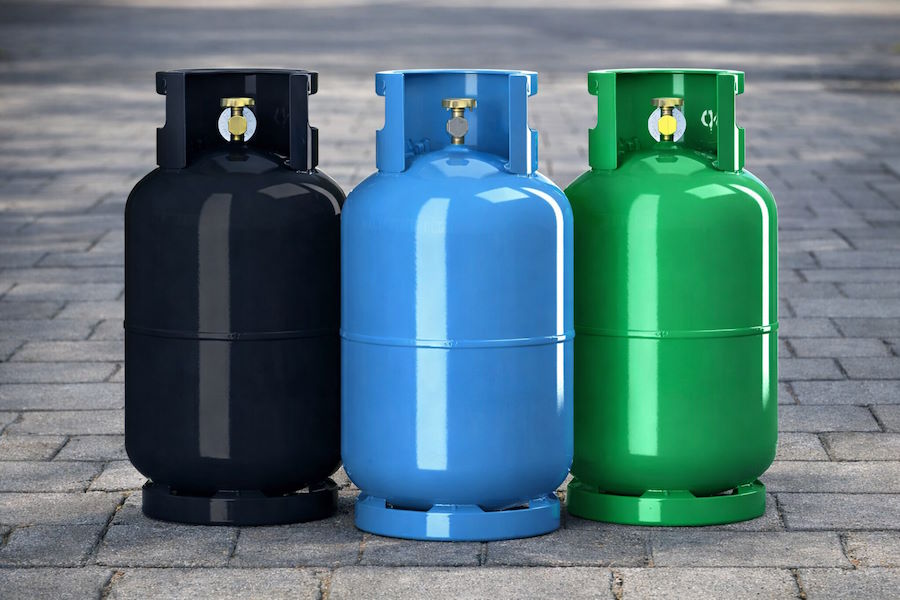
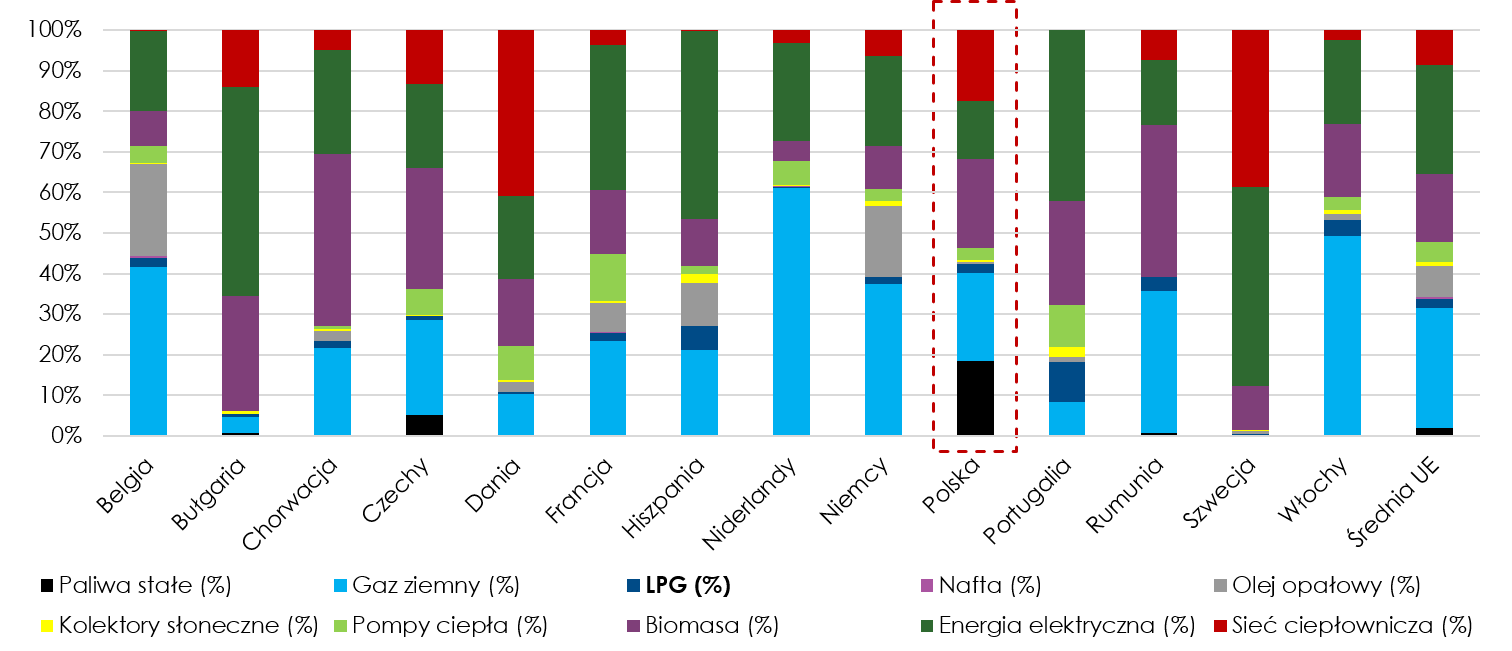
Bartosz Kwiatkowski, Director General of POGP, presented the social consequences of the energy transition and the role of LPG in reducing low-stack emissions. He pointed out that Poland is still among the EU countries with a high share of solid fuels in household heating, which translates directly into the problem of air pollution. In this context LPG can be a rational transitional fuel - particularly in areas with no access to the gas grid - because it makes it possible to reduce particulate emissions and to accelerate the replacement of obsolete heat sources.
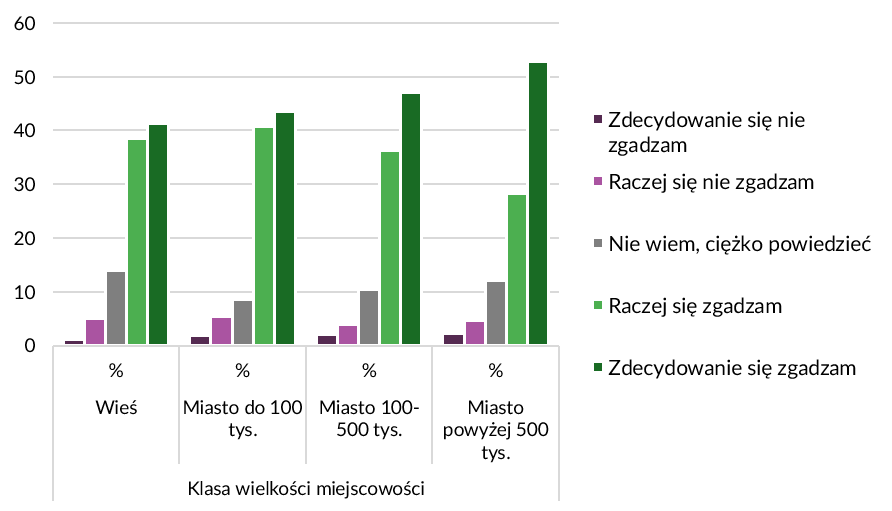
The POGP representative stressed that the energy transition cannot take place at the expense of households and should take into account both residents’ financial means and the availability of infrastructure. He also cited the results of the 7th edition of Ekobarometr, a survey carried out annually by the research agency SW Research, of which POGP is a substantive partner, according to which Poles increasingly clearly see the link between air quality and the health and safety of everyday life. More than 51% of respondents took the view that gas boilers should continue to be covered by funding under the Clean Air program. Public attitudes show that the transition in heating must take into account not only climate targets, but also a real improvement in residents’ quality of life and a reduction in energy costs.
The full electrification of heating is not possible today
Damian Majer, CEO of Termet S.A., spoke about the limitations of the energy infrastructure and the role of gas and hybrid technologies in the energy transition.
In his presentation he stressed that Poland’s power system is still largely based on conventional sources, and that the rapid growth of electric heating without a parallel modernization of the grid may pose a threat to the stability of energy supply.
The Termet CEO indicated that gas remains an important "fuel of security" today, stabilizing the energy system particularly during periods of low output from renewables. He also drew attention to the potential of modern hybrid arrangements, which allow different heat sources to be used flexibly depending on weather conditions, energy prices and the technical possibilities of buildings. As an example he cited modern gas condensing boilers combined with photovoltaic-thermal (PVT) panels. In the view of the Termet representative, solutions of this kind are currently the most rational direction for the transition in heating.
Damian Majer’s main postulate, however, is that the transition be conducted realistically - taking into account the interests of consumers, the technical possibilities of buildings and the competitiveness of the Polish heating industry.
The industry calls for a realistic and socially responsible transition
The conference participants agreed that an effective energy transition requires a balance between climate targets, energy security and the economic capacity of society.
Industry representatives called for technology neutrality to be preserved in national and European regulations, for hybrid technologies to be supported and for the role of gaseous fuels to be recognized as a necessary transitional stage on the road to a low-emission economy.
The experts also indicated that the fight against smog and the modernization of heating systems should remain one of the priorities of public policy, but that the pace of change must be matched to the real capacity of the energy infrastructure and of Polish households. In heating, as in few other fields, it is easy to find arguments that the energy transition will either be fair or it will not succeed.
The role of LPG heating in the fight against low-stack emissions
Smog is one of the most serious problems of modern civilization that Poland is currently struggling with. According to Centrum Medyczne Kształcenia Podyplomowego (the Center of Postgraduate Medical Education), each year it contributes to the deaths of about 40,000 Poles and in particularly polluted localities it can shorten life by as much as 3.5 years. According to the results of the 2025 Ekobarometr survey carried out by the SW Research studio, 82% of Poles regard smog as a serious threat to health.
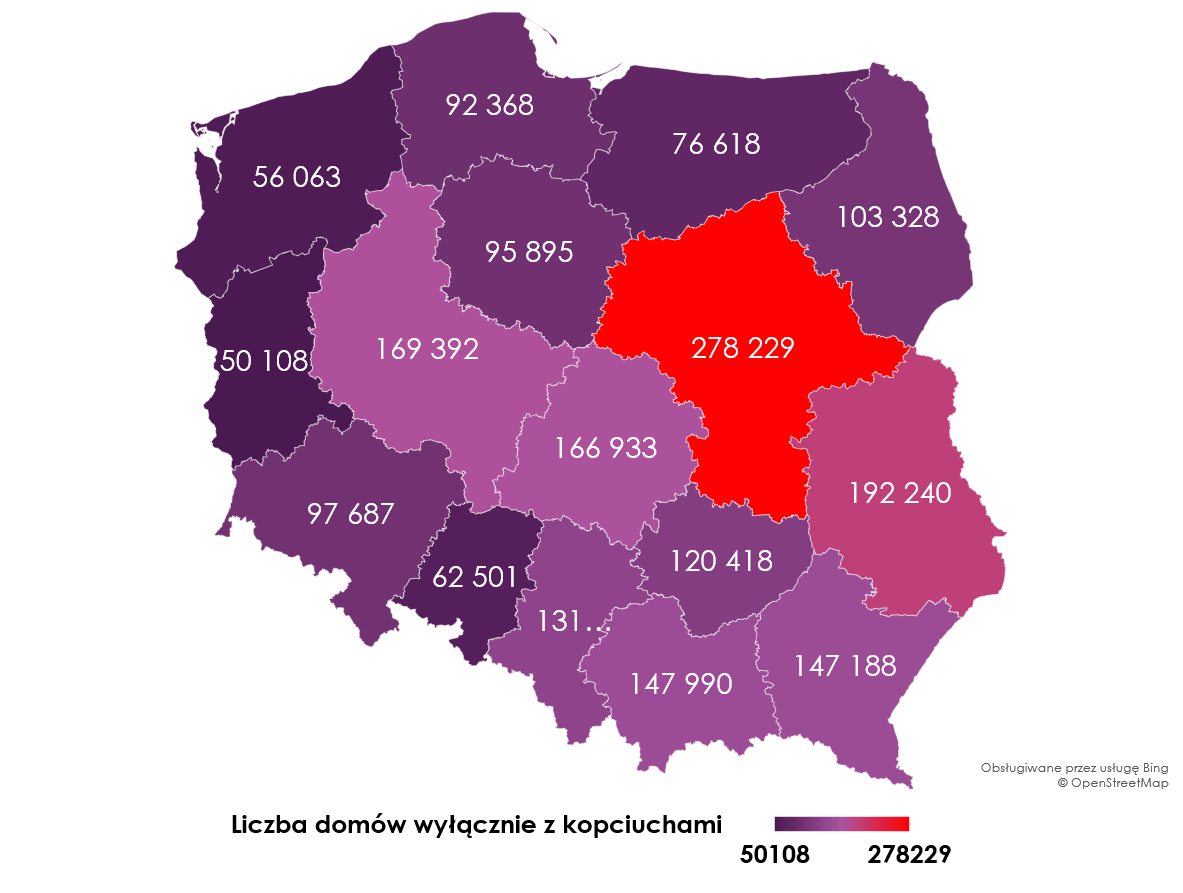
Smog is caused above all by the so-called "kopciuchy", old-type stoves burning solid fuels. According to data from the Central Register of Building Emissions (CEEB) of May 2026, 6.3 million buildings still contain 2 million so-called "kopciuchy" - sub-standard solid-fuel heat sources that meet no energy efficiency norms whatsoever.
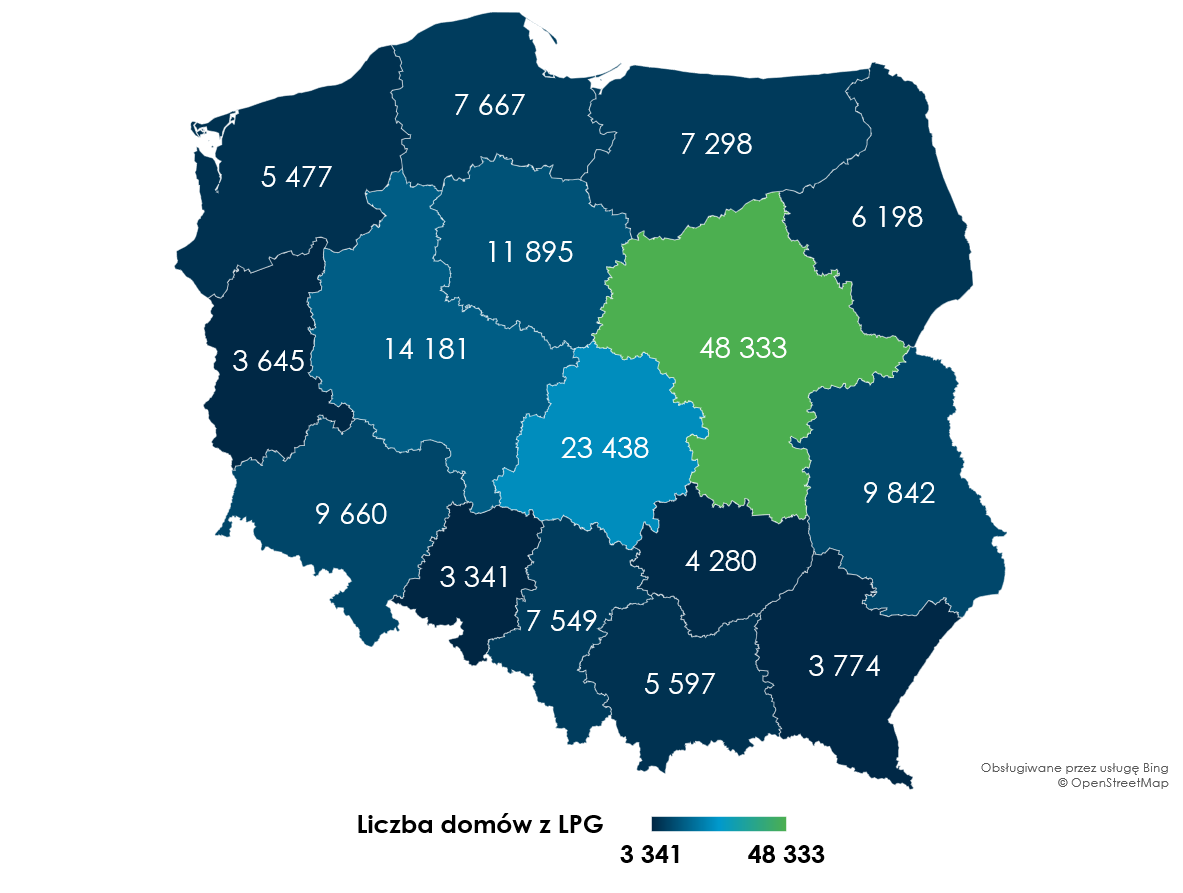
Since the launch of the Clean Air program, liquefied gas and natural gas have become an important ally of government policy in the effort to improve air quality. Regardless of the criticism that has emerged of this program, its successes are worth noting: between September 2018 and December 2025 it financed the replacement of about 895,000 heating appliances, contributing significantly to the reduction of pollutant emissions. More than 280,000 of the appliances installed were modern gas boilers, including LPG boilers. - says Bartosz Kwiatkowski.
Initially (2018–2022) gas condensing boilers accounted for about 40% of all applications, with air-source heat pumps and biomass boilers at 20% and 15% respectively. In March 2025 applications to the Clean Air program reopened under new rules, which did not include funding for replacing so-called "kopciuchy" with gas boilers. After the program reopened, biomass boilers (mainly pellet- and wood-fired) reached a share of more than 70% of funding applications by the end of 2025.
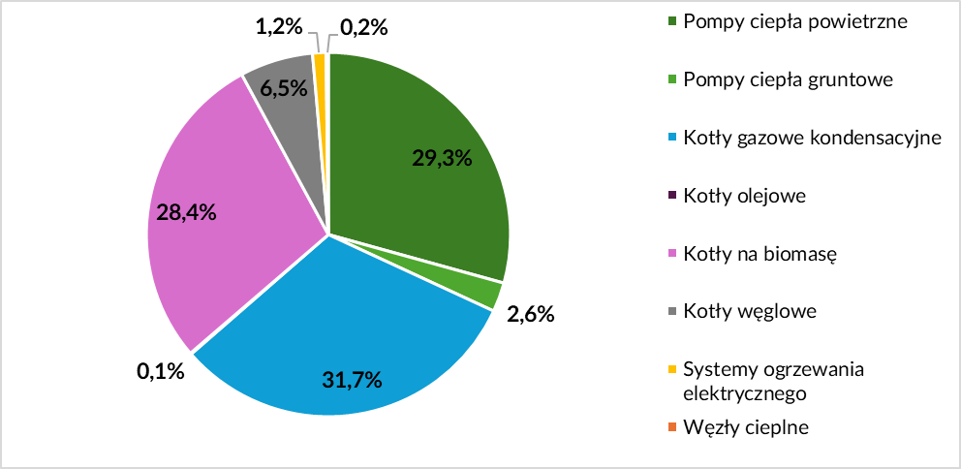
Gas boilers today account for the largest share of the heat sources installed in Poland (5 million, 28% of the total). To this day, in many voivodeships, especially the less urbanized ones, solid-fuel heating appliances predominate - in Kujawsko-Pomorskie, Lubelskie, Podlaskie, Świętokrzyskie and Warmińsko-Mazurskie. It is precisely these regions that represent the greatest challenge for the transition in heat supply, especially when new regulations promote heating with biomass boilers.
It is worth recalling that in the case of gas boilers, particulate emissions are about 22 times lower than when burning pellets and as much as 50 times lower than when burning coal. – adds Bartosz Kwiatkowski - In the case of carcinogenic benzo(a)pyrene, emissions from burning gas are 325 times lower than in the case of pellets and 1,000 times lower than in the case of coal. A single house heated with coal pollutes the air more than an entire street heated with gas.
Interestingly, under European law biomass boilers are treated as not emitting greenhouse gases, even though at the same time they generate significantly higher emissions of compounds harmful to human health in the form of PM particulates, benzo(a)pyrene, sulfur oxides (SOx) or nitrogen oxides (NOx) than is the case with gas boilers. A broader comparison of the emissions of heating boilers can be read on the website http://www.ogrzewaniedladomu.pl/.
An effective transition in heating, whose primary aim should be to eliminate the problem of smog and to improve air quality, requires the use of the entire mix of low-emission technologies. Liquefied gas and, before long, renewable biopropane can play a significant role as a complementary solution, particularly where electrification remains difficult for technological and/or economic reasons - in rural and hard-to-reach areas.